
NEWS: Event Summary
Linking Civic Technology and Climate Action in Southeast Asia

Asia Research Institute, AS8,07-01
10 Kent Ridge Crescent
(S)119260
Kent Ridge Campus, National University of Singapore
Civic technology has become a critical interface between environmental data, political action, and urban planning. Across Southeast Asia, where climate risks and vulnerabilities are unevenly distributed and governance systems are complex and opaque to citizens, tensions emerge: How do civic technology initiatives emerge in response to climate challenges in Southeast Asia? What forms of civic participation do they enable? And what new political possibilities do they produce for the region?
The event opened with opening remarks by co-directors of CiRe, Dr. Chaewon Ahn and Dr. Jeffrey Hou. This was followed by an introduction to CiRe’s broader research agenda by Ms. Pari Sen Biswas, a research assistant at CiRe. This opening situated the event within CiRe’s broader ambitions of mapping civic technology initiatives, building technical and political capacity in the region, and fostering cross-sector collaborations across Southeast Asia.
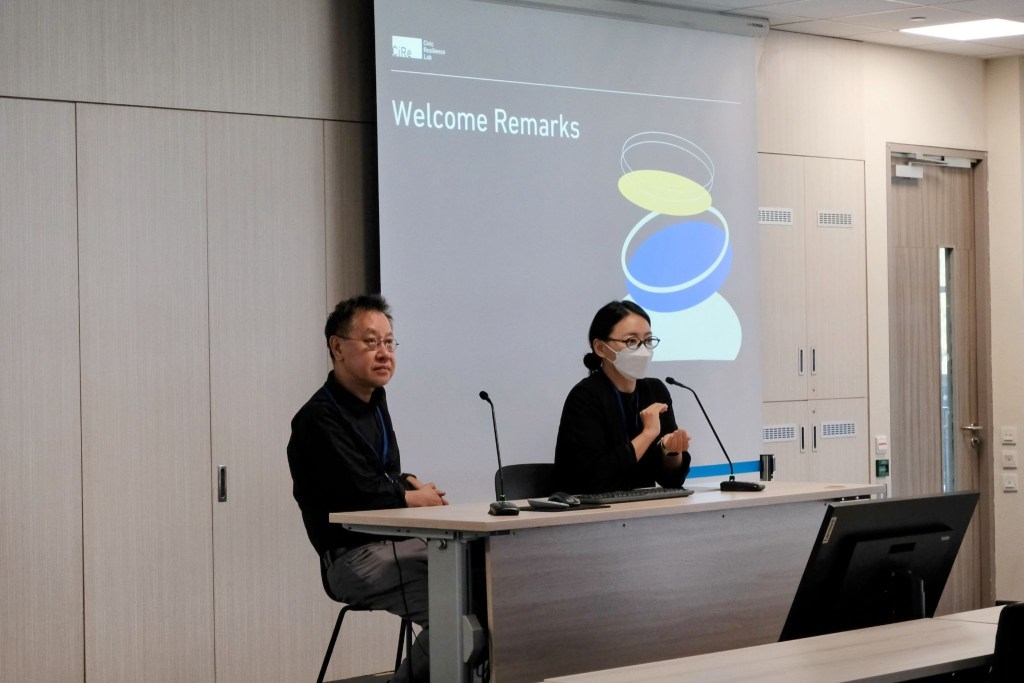
Welcome remarks by Dr. Jeffrey Hou and Dr. Chaewon Ahn. Photograph by Wenhao Chen.
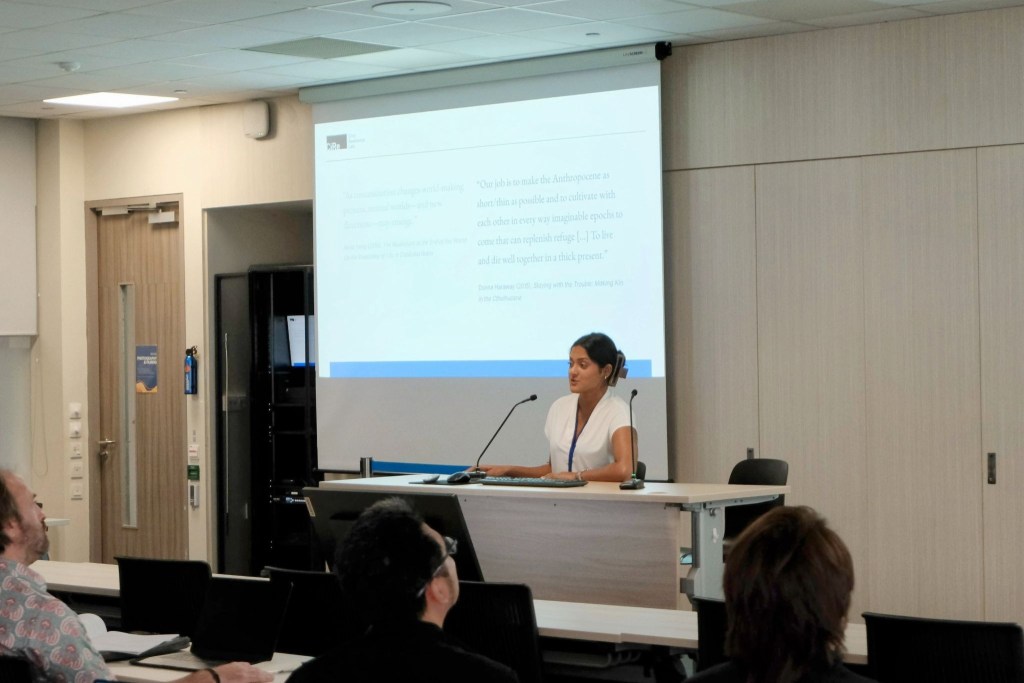
Introduction to CiRe and Literature Review by Mr. Pari Sen Biswas. Photograph by Wenhao Chen.

Workshop Attendees. Photograph by Wenhao Chen.
Grounding the workshop were four key questions:
- The emergence of civic technology in response to climate challenges;
- The participatory mechanisms that sustain these initiatives;
- The tools and data infrastructures they employ; and
- The political dynamics that arise when communities engage or contest institutional systems
PANEL 1: From Data to Action: How Communities Mobilise Civic Technology for Climate Action in Southeast Asia
The first panel focused on how civic technology initiatives emerge through situated responses to climate risk, foregrounding how diverse actors, from grassroots organisations to academic institutions, can shape this process. The panel was hosted by Dr. Jeffrey Hou along with discussant Dr. Andrew Stokols.
Dr. Walker DePuy opened the session, discussing a transdisciplinary research project in Indonesia’s new capital, Nusantara. Using a participatory soundscape methodology that combines acoustic monitoring, sensory ethnography, and cultural geography, his work centers the human and more-than-human relations upon which Indonesia’s forest communities and ecosystems depend. Instead of treating community data as a means for top-down environmental assessment, the project reframed community data creation as an embodied and collective practice.
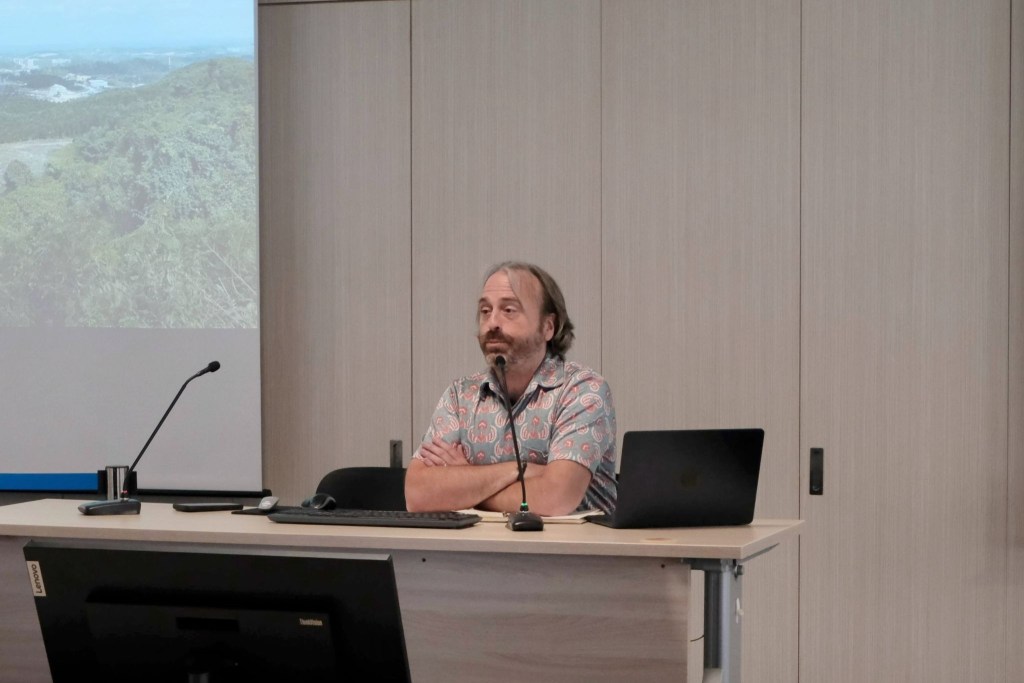
Dr. Walker DePuy. Photograph by Wenhao Chen.
Shifting focus to urban digital citizenship in Southeast Asia, Dr. Natalie Pang examined how mothers in Singapore enact forms of “digital green citizenship” and establish networks of care through online platform exchanges. Focusing on the organic and self-led interactions between mothers online, she explained that civic action for environmental and social resilience often emerges through informal forms of digital participation. She expanded the conventional understanding of civic participation beyond data activism, and towards an everyday-life–focused framework of citizenship.
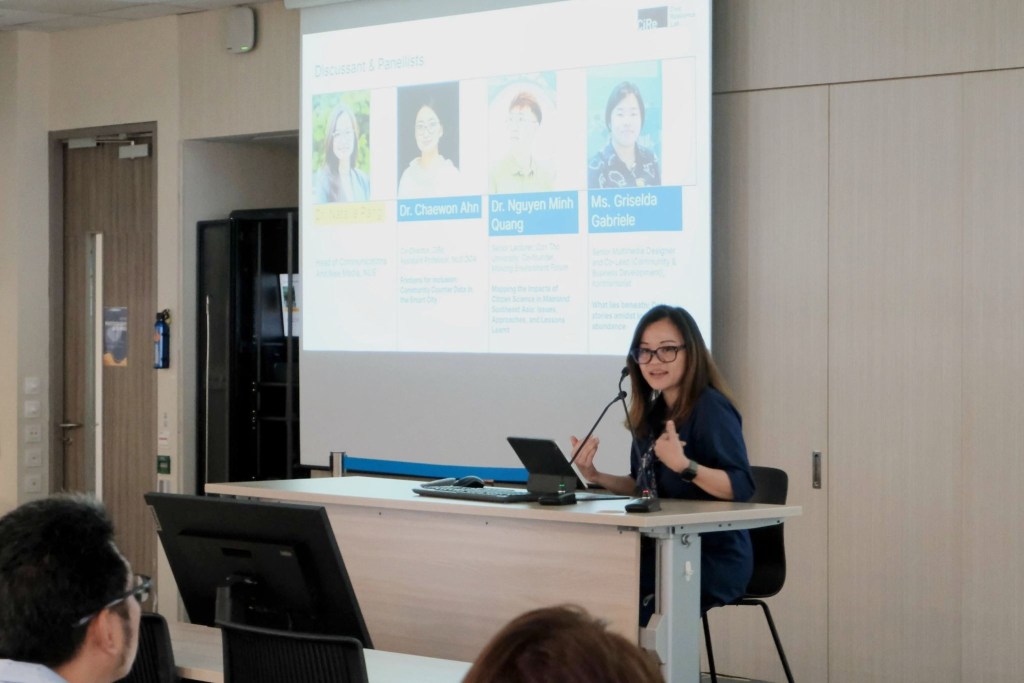
Dr. Natalie Pang. Photograph by Wenhao Chen.

Screenshots of digital community platforms for local transactions amongst mothers by Dr. Pang.
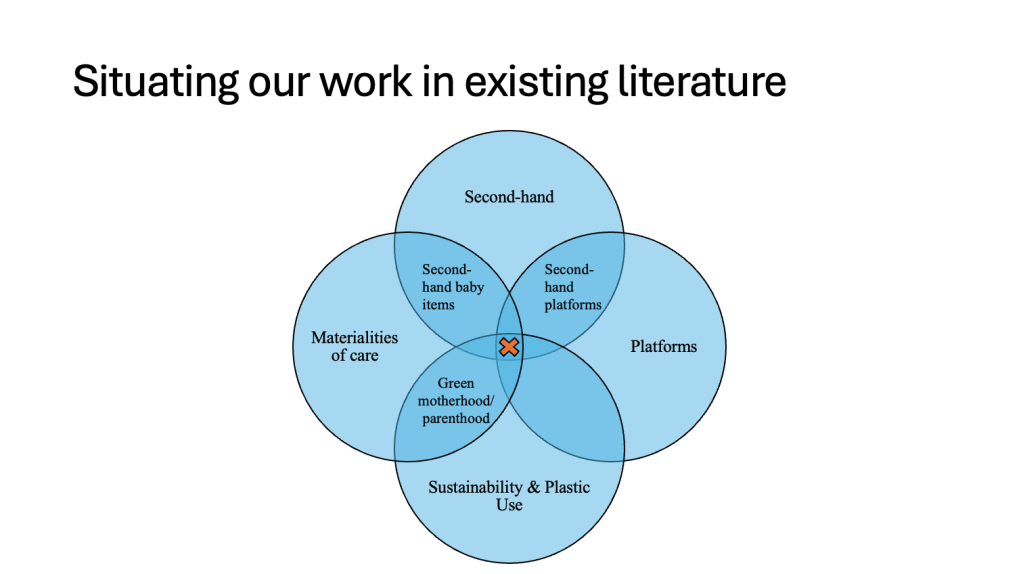
Diagram showing research positionality by Dr Pang.
Dr. Efraim Roxas then presented on participatory approaches to climate and disaster risk assessment in the Philippines. Drawing upon his work in Calaca City and Esperanza, Masbate, he showed how participatory methods can translate technical data into locally-grounded planning decisions. From community walks and public charrettes to grassroots risk mapping and collective data validation processes, Dr. Roxas underscored that communities hold a breadth of knowledge vital to the urban planning process.
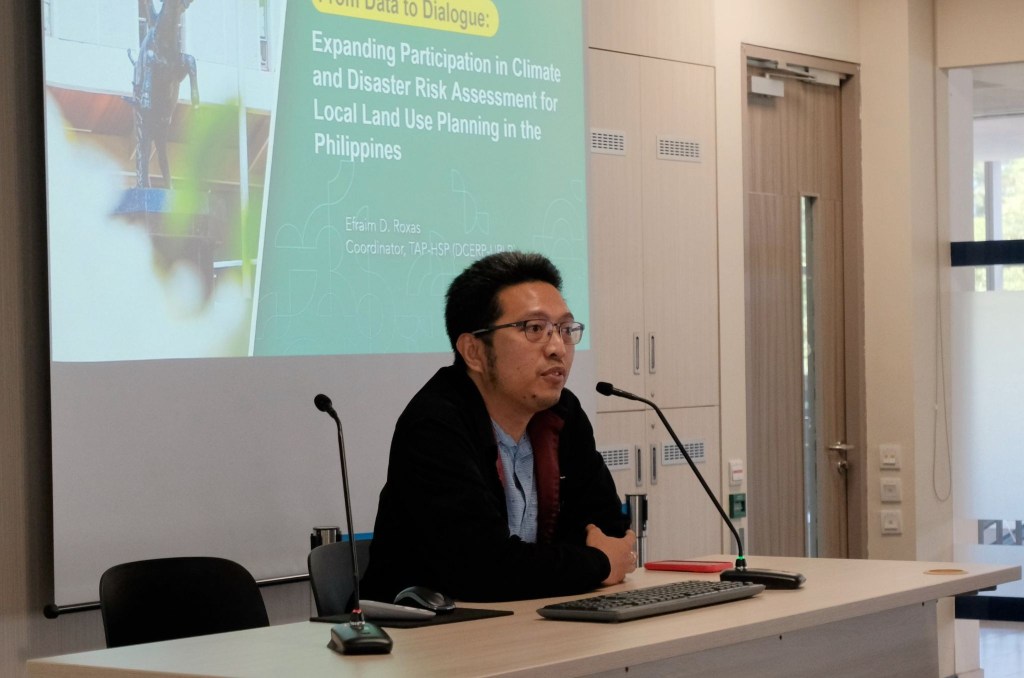
Dr. Efraim Roxas. Photograph by Wenhao Chen.
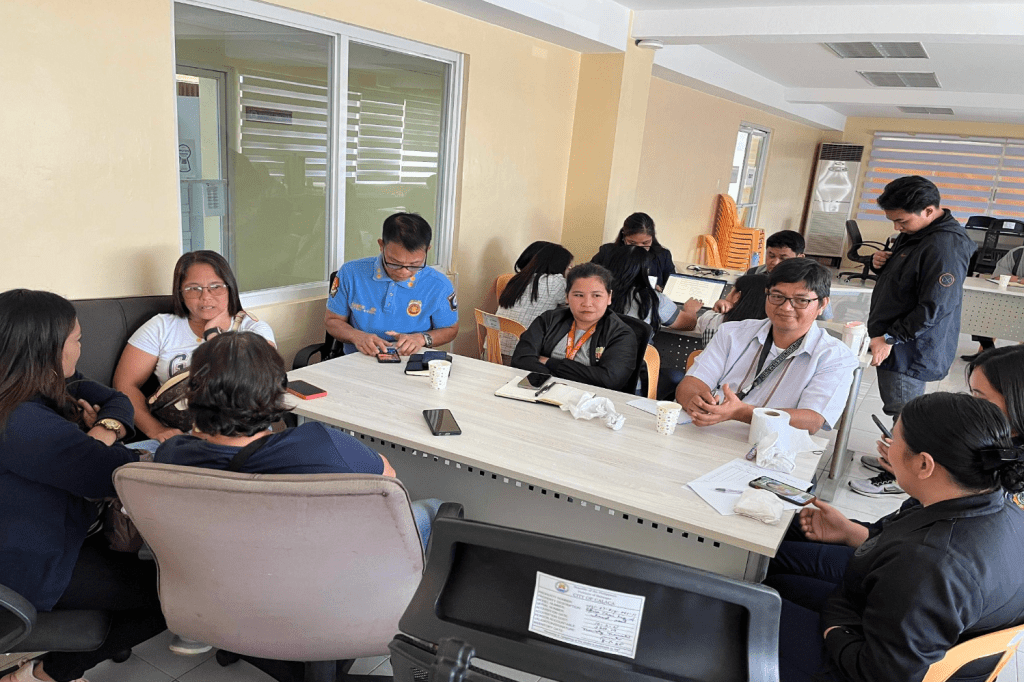
Community engagement workshop on climate action potentials and constraints. Photograph by Dr. Roxas.
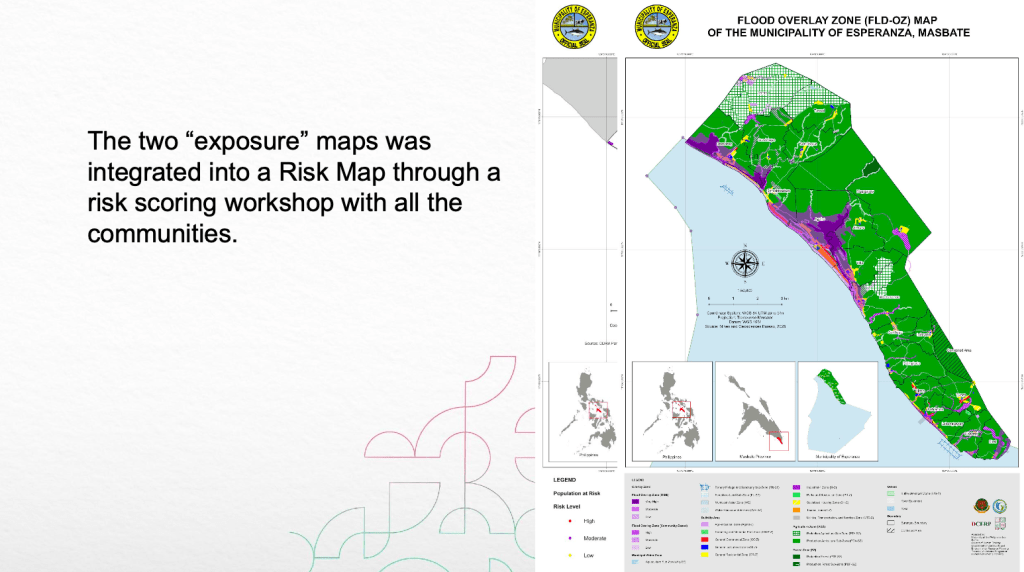
Community-informed risk map of Esperanza, Philippines, by Dr. Roxas.

Community cultural mapping. Photograph by Dr. Roxas.
Finally, Ms. Penchom Saetang shared her work as an environmental activist working on industrial waste and ecological protection across Thailand. Ms. Saetang is founder of Ecological Alert and Recovery-Thailand (EARTH), an NGO that promotes social and environmental justice to communities who are affected by poor waste management, hazardous dumping, and illegal pollution. She shared the citizen science projects and programmes that EARTH supports, providing communities with support for environmental monitoring to validate the challenges they face and negotiate with the key decision-makers. With a rich experience in linking grassroots action to international governmental systems and frameworks, she drew the workshop’s attention to the importance of systemic integration, reporting, and capacity building in interfacing actors for community-led climate action.
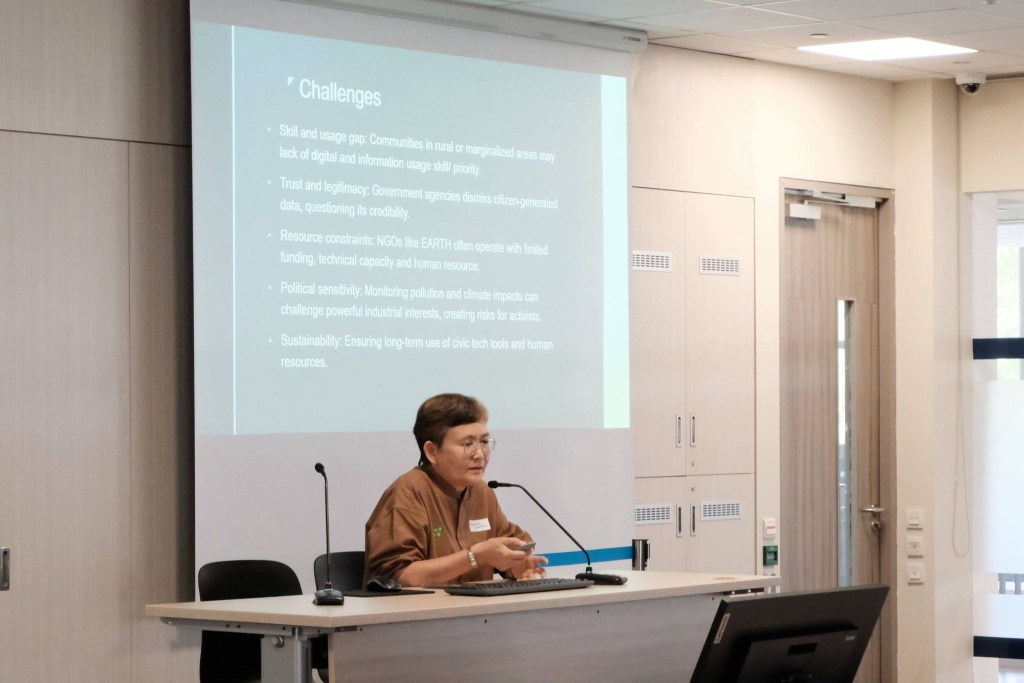
Ms. Penchom Saetang. Photograph by Wenhao Chen.
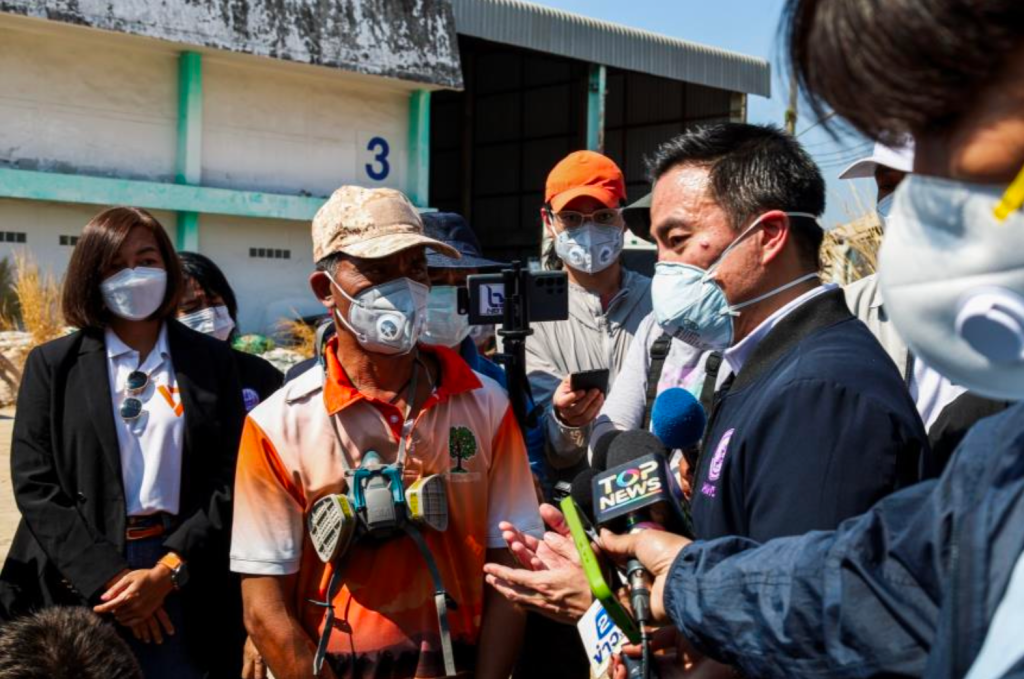
Facilitated civic engagement with state officials. Photograph by EARTH.
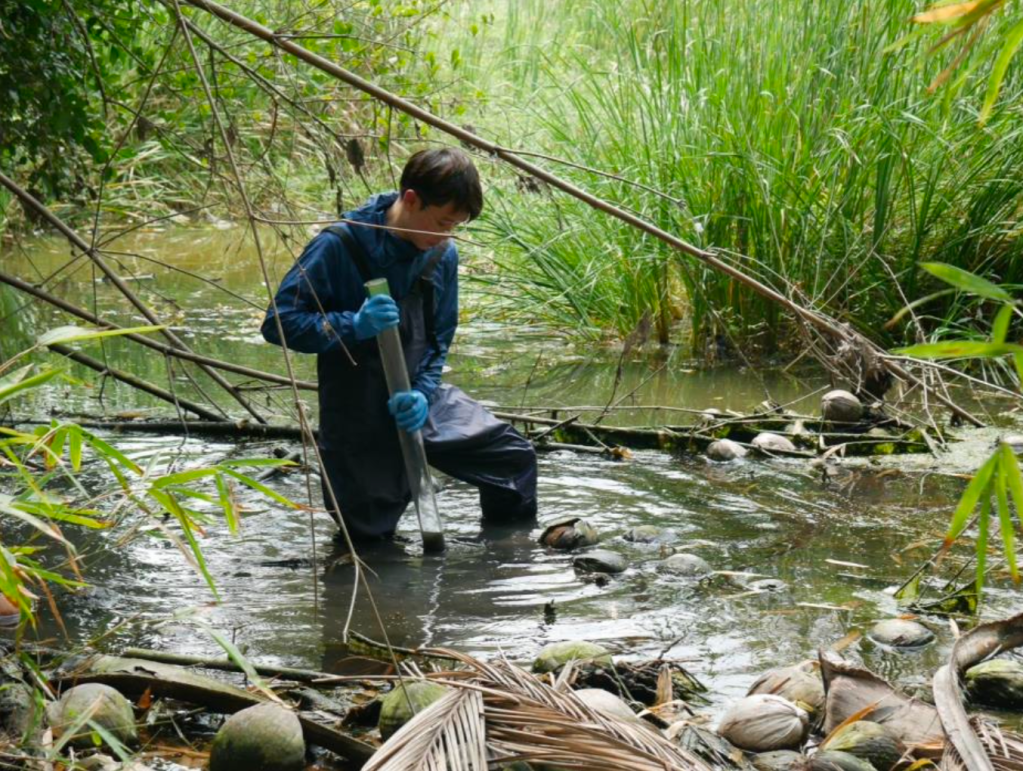
Environmental monitoring training by EARTH. Photograph by EARTH.
The post-panel discussion brought together the key threads of the panel into a shared reflection on civic action as a form of social and political infrastructure, extending beyond discrete tools or projects into ongoing systems of relationships, care, and collective practice. Participants converged on the idea that civic technologies are most effective when embedded within everyday forms of engagement, from participatory mapping and storytelling to informal community exchanges, as opposed to being isolated as technical interventions. Across cases, there was a strong emphasis on co-design, long-term capacity building, and sustained engagement, highlighting the limitations of short-term, project-based approaches that fail to endure beyond initial implementation.
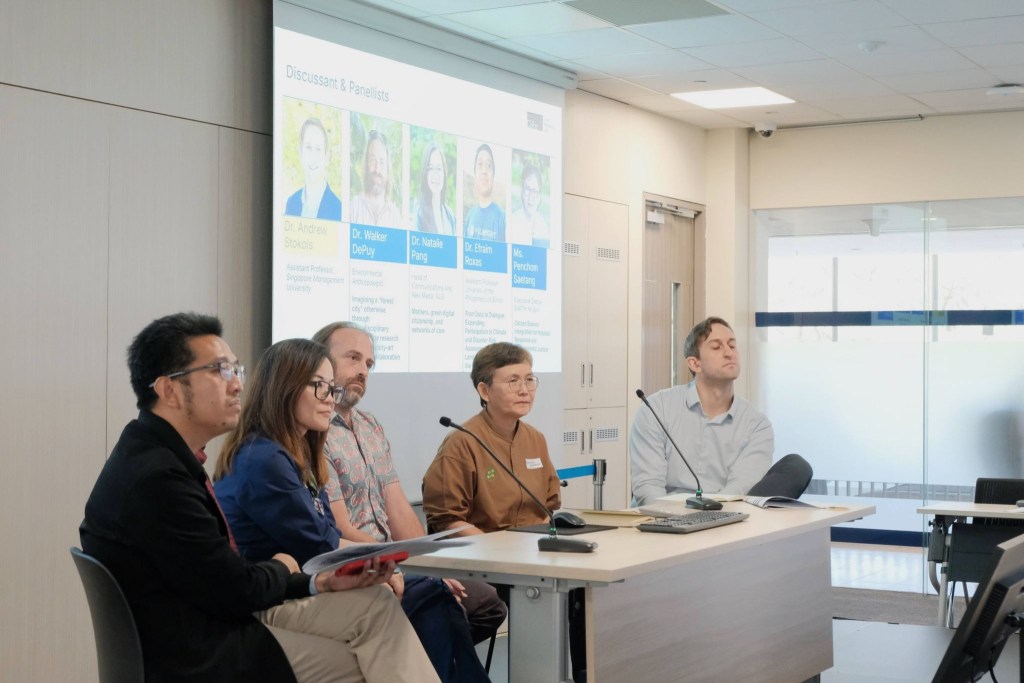

Dr. Efraim Roxas, Dr. Natalie Pang, Dr. Walker DePuy, Ms. Penchom Saetang, and Dr. Andrew Stokols (left to right). Photographs by Wenhao Chen.
Crucially, the discussion foregrounded communities not merely as participants, but as active knowledge producers and “citizen-experts” whose situated, embodied, and place-based knowledge is essential to understanding environmental change and shaping governance responses. This was reinforced through reflections on Indigenous and local practices, which underscored how lived experience, memory, and cultural knowledge offer critical insights often excluded from formal planning systems.
PANEL 2: Emerging Technology: How Citizen Science, Maps, and Machines Can Re-Shape Environmental Knowledge
The second panel moved discussions from community participation to the tools and systems used to generate, visualise, and contest environmental knowledge. Hosted by Pari Sen Biswas and discussed by Dr. Natalie Pang, the session explored what tools and infrastructures civic technology projects employ, what data becomes visible or remains obscured, and what frictions emerge between expert practices and lived knowledge in Southeast Asia.
The panel opened with Dr. Chaewon Ahn’s presentation on the exclusionary plans and city visions privileged by data-driven smart planning practices that render everyday lived experiences invisible. Drawing upon case studies and civic methodologies developed in Seoul and Singapore, she highlighted community-centered “counter-data” practice, including low-tech DIY sensors and multimodal walking interviews that surface usually overlooked socio-spatial realities. Productive frictions are created between data, not to challenge official and legitimate data practice, but to complement it with more diverse, embodied, and localised epistemologies of data.
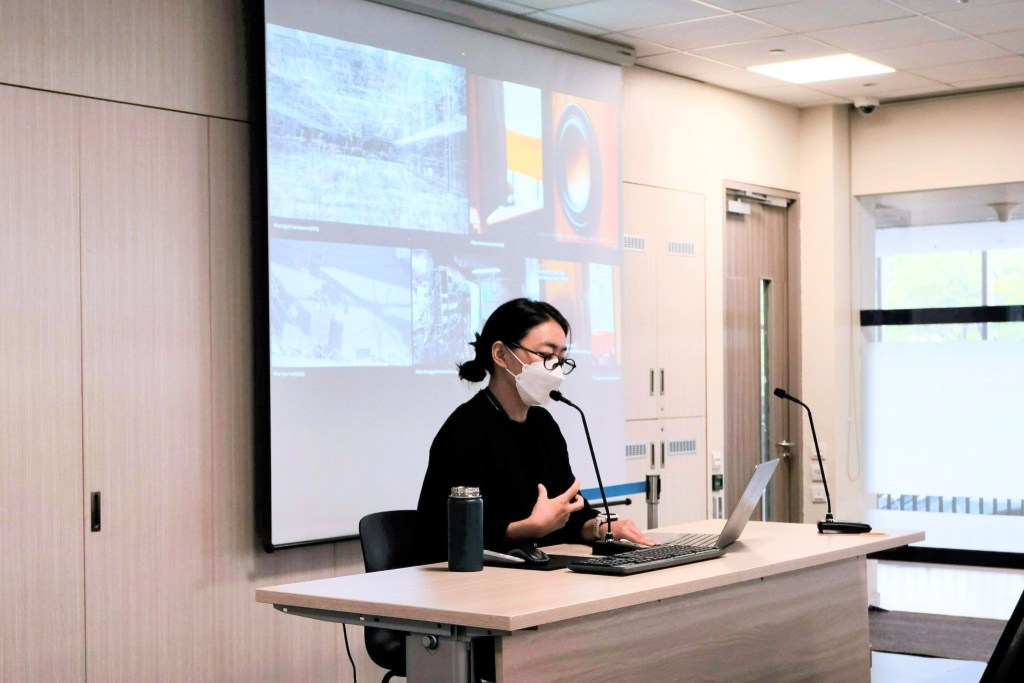
Dr. Chaewon Ahn. Photograph by Wenhao Chen.

Cheonggyechoen manufacturing industry 3D visualisation by TechCapsule.
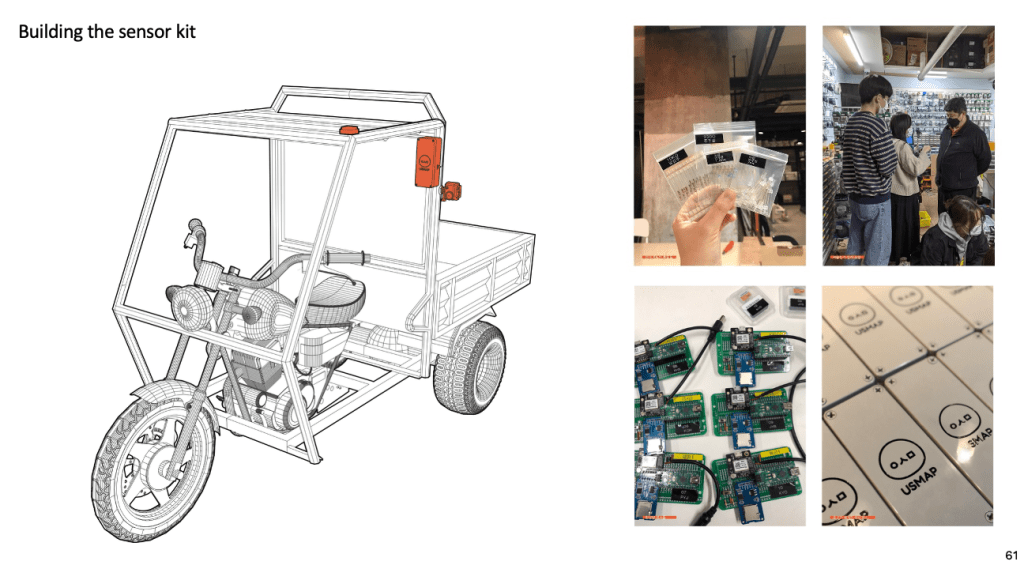
Diagram of DIY Sensor Kit to Record Video and Route of Sambali Delivery Drivers in Chungmuro, Seoul by Dr. Ahn.

Map of Future Development Plans (red outline) and Potentially Displaced Existing Local Businesses in Chungmuro, Seoul, by Dr. Ahn.
Dr. Nguyen Minh Quang followed, presenting a regional analysis of citizen science initiatives across mainland Southeast Asia. Through systemic mapping, his study identified the uneven geographies of civic participation in the region, noting stronger concentrations of civic action in Thailand, Cambodia, and Vietnam, with limited development in Laos and Myanmar. He also presented on the development and deployment of a community tool to track public health risks and shocks from a gender-sensitive perspective. Dr. Nguyen highlighted the immense power of citizen science and crowdsourcing to address the region’s shared environmental challenges, as well as the persistent data gaps and need for greater coordination and investment.
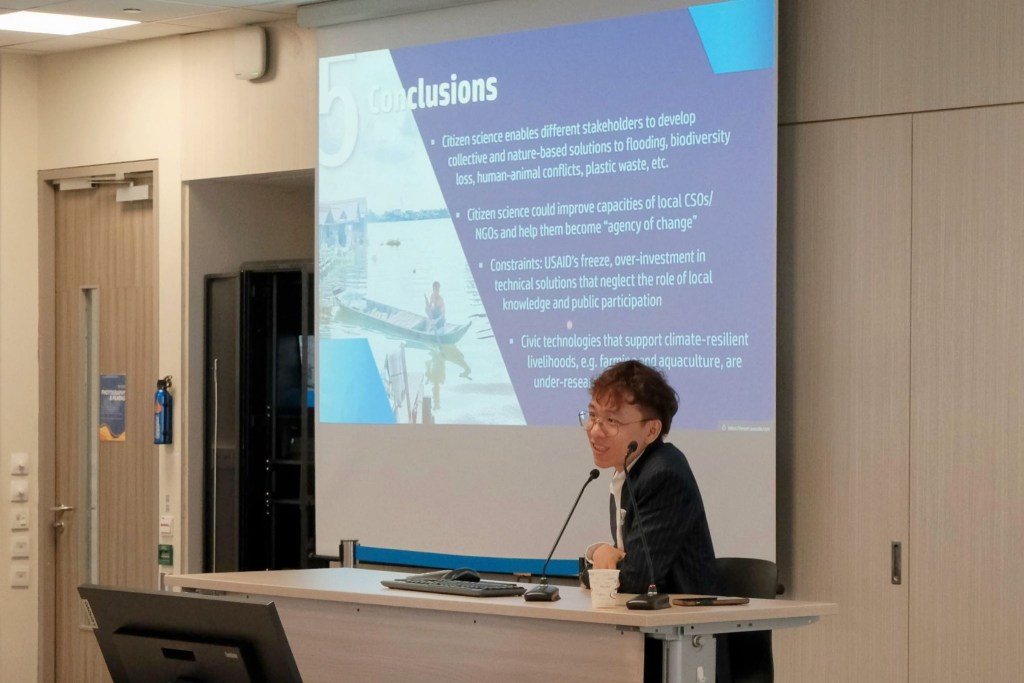
Dr. Nguyen Minh Quang. Photograph by Wenhao Chen.

Map of Citizen Science Research Projects in the Lower Mekong Subregion by Dr. Nguyen.
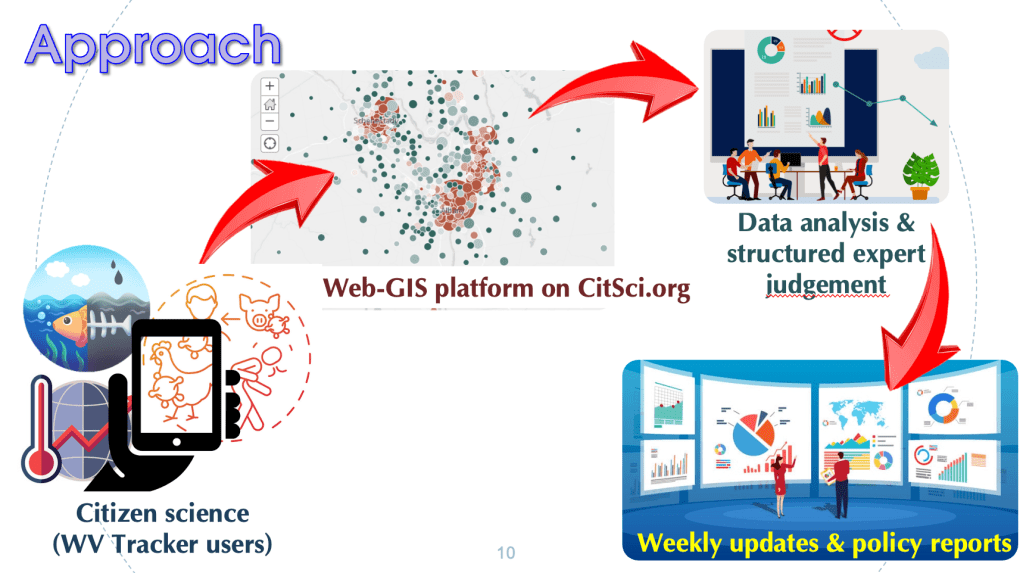
Visualisation of Project Approach for Women Vulnerability Tracker App by Dr. Nguyen.
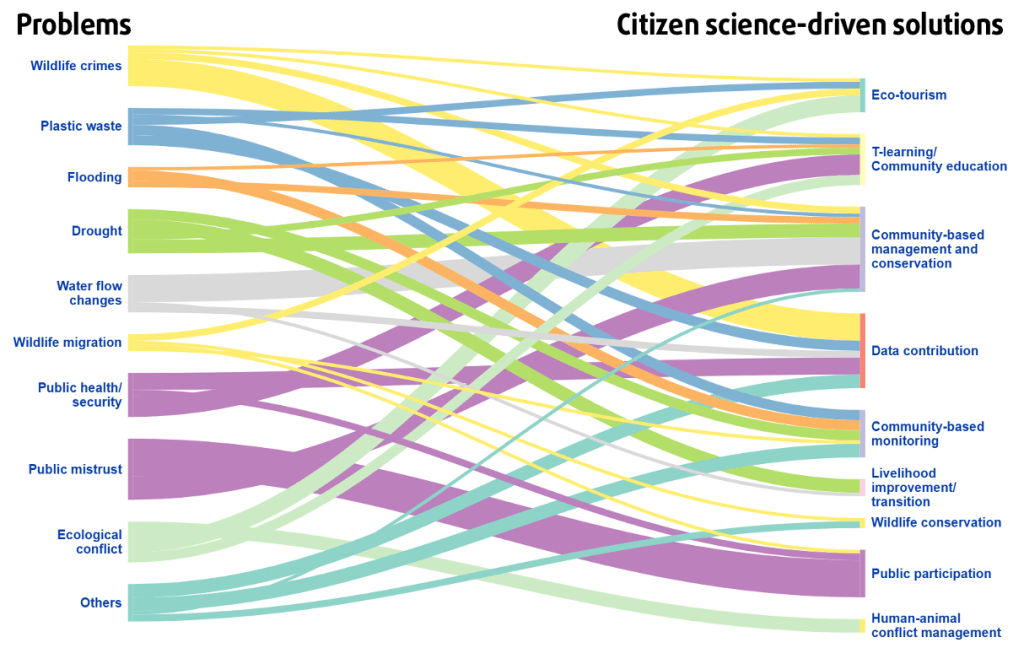
Visualisation of Challenges and Citizen-Science Projects and Contributions in the Region by Dr. Nguyen.
Shifting discussions from analytical data practice to data storytelling and visualisation, Ms. Griselda Gabriele, representing Kontinentalist, discussed two multimodal projects: The Hidden Green and The Land That Gives. Reflecting on her responsibilities in data-handling, design, and storytelling for these projects, Ms. Gabriele foregrounded the importance of attending not only to what datasets show, but also to the invisible exclusions embedded within them. Her presentation positioned art and design as critical mediators between data and public understanding, extending the panel’s inquiry into the role of representation and politics of knowledge production.
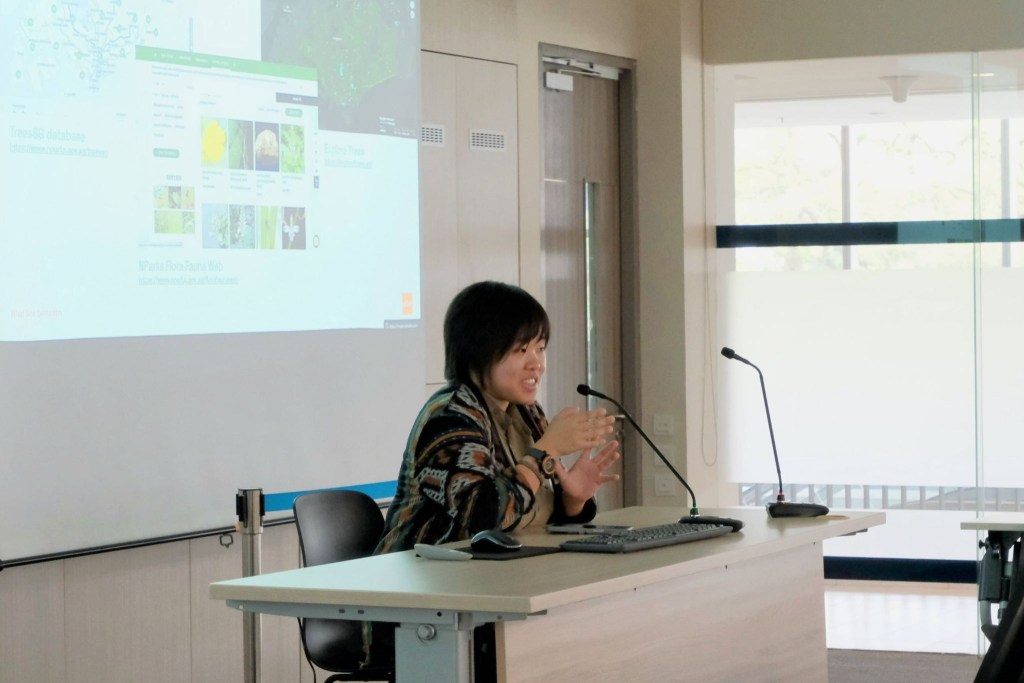
Ms. Griselda Gabriele. Photograph by Wenhao Chen.

Green Cover Datasets Visualised for by Kontinentalist.
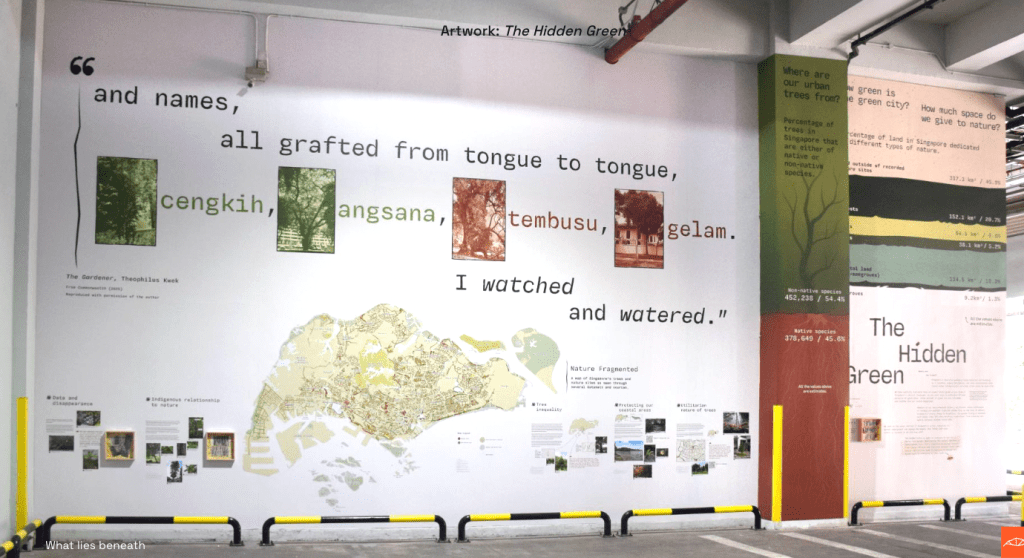
The Hidden Green public art installation by Kontinentalist.
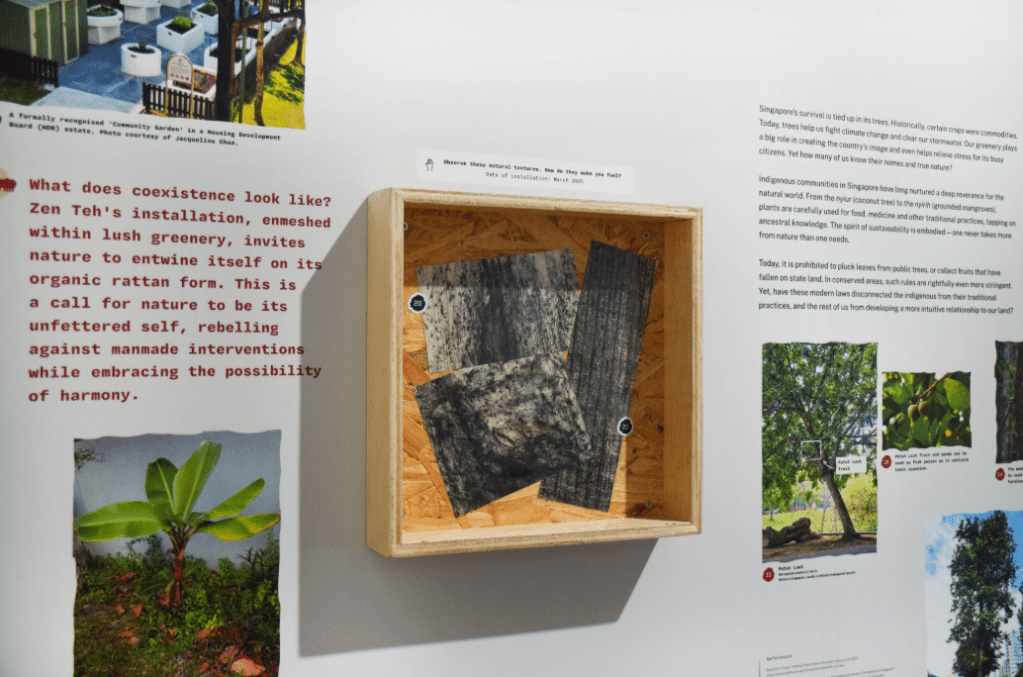
The Hidden Green public art installation by Kontinentalist.
The post-panel discussion surfaced a rich and critical reflection on the role of data in shaping civic action, urban knowledge, and environmental governance. Participants emphasised that data is not a neutral or purely technical resource, but a deeply political medium, often functioning as a form of “currency” in negotiations between civic groups, researchers, and the state. At the same time, the conversation underscored the diversity of civic data practices, spanning activism, academic research, and artistic production, and the importance of cross-sector collaboration, even as such collaborations require ongoing negotiation over standards, vocabularies, and legitimacy. The discussion also foregrounded the complexities of data governance, power, and representation, particularly in Southeast Asian contexts where issues of data sovereignty, privacy, and state control are highly salient.
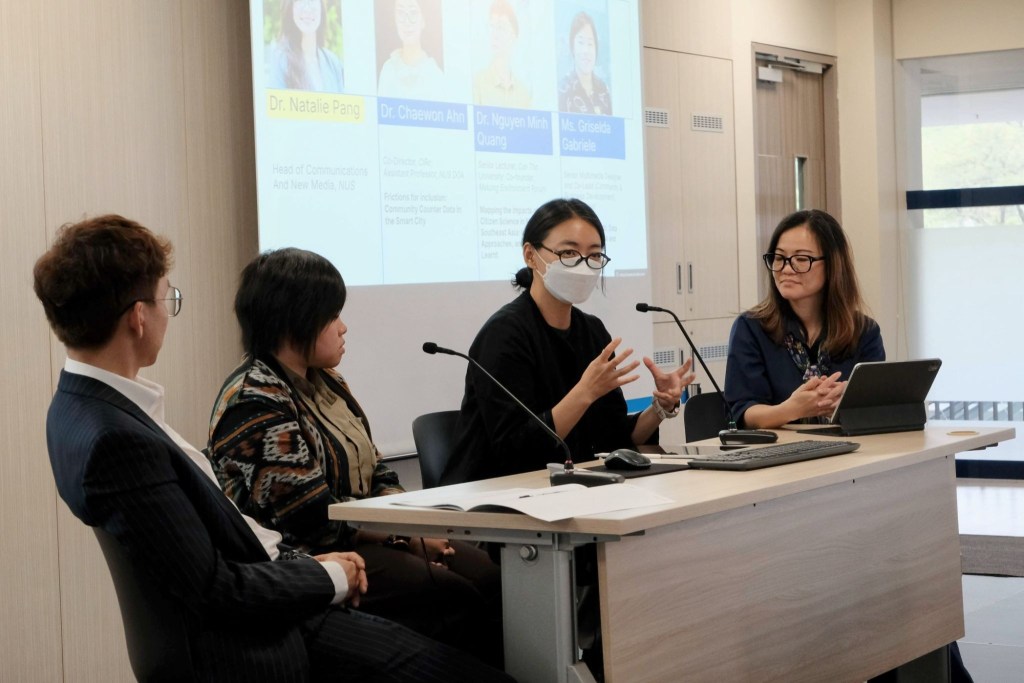
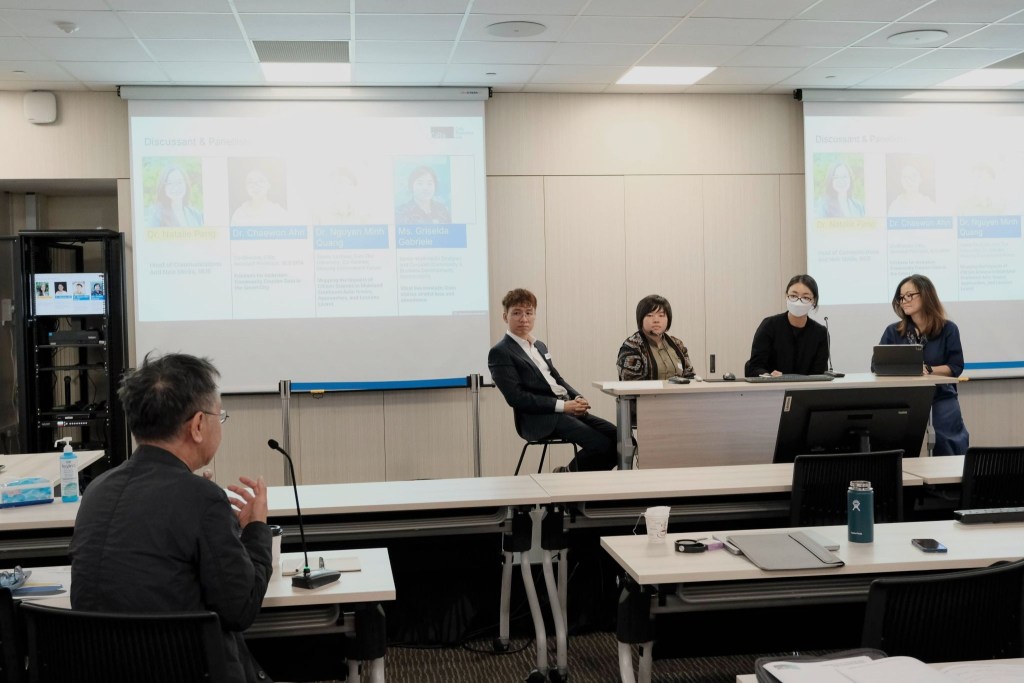
Dr. Nguyen Minh Quang, Ms. Griselda Gabriele, Dr. Chaewon Ahn, Dr. Natalie Pang (left to right). Photograph by Wenhao Chen.
More broadly, participants reflected on how data and storytelling are intertwined. While data can lend scientific legitimacy to lived experiences, it does not always align with intended narratives, and in some cases, findings are strategically reframed or withheld. This raises important questions about bias, accountability, and the truth in data. The conversation further explored how evolving tools, including AI and large-scale data analytics, are reshaping research practices, while also reinforcing the continued importance of human interpretation, especially when working with community-generated knowledge. The discussion highlighted the coexistence of multiple, and at times conflicting, intentions: some actors mobilise data to resist development and displacement, while others seek to document loss or work within institutional frameworks. In this context, contestation itself emerged as a meaningful outcome, revealing the exclusions embedded within formal planning processes and underscoring the need for more open, participatory approaches.
PANEL 3: The Power of Data: Politics and Contestation in Southeast Asian Civic Climate Action
The third panel brought the first day to a close and focused on the politics of data, urban contestation, and alternative futures. The session featured host Dr. Chaewon Ahn and discussant Dr. Victoria Marshall, as well as panellists Dr. Arnisson Andre Ortega, Dr. Ryan Gordon Tans, and Dr. Petra Tschakert.
Dr. Arnisson Andre Ortega presented counter-mapping as a praxis of political action to reclaim spatial narratives, rather than a representational dissent or challenge. Drawing upon critical theory and his work across the Philippines, he argued that counter-mapping is a situated and relational process for producing spatial knowledge in and for struggle. Framing data in terms of power, responsibility, and collective strategy, Dr. Ortega’s contribution raised important questions such as the colonial foundations that underpin cartography and planning, the fractured civic channels that render development planning opaque to citizens, and the uneven distributions of community platforms and resources that undermine collective coordination . He called for mapping to be understood not only as a technical exercise, but also as a political means to reclaim community agency.
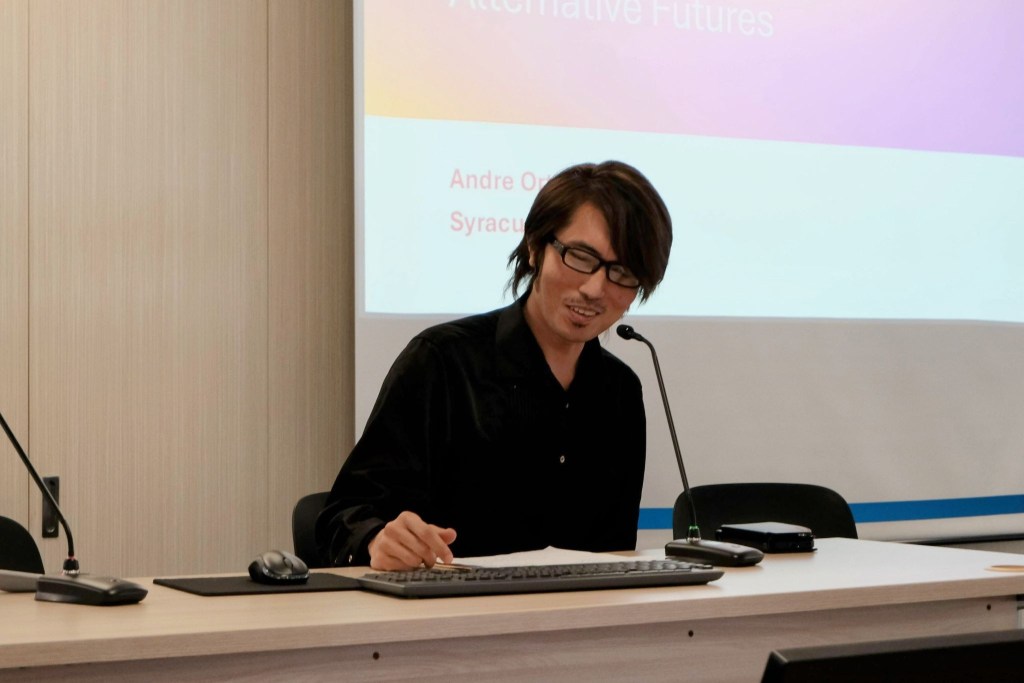
Dr. Andre Arnisson Ortega. Photograph by Wenhao Chen.
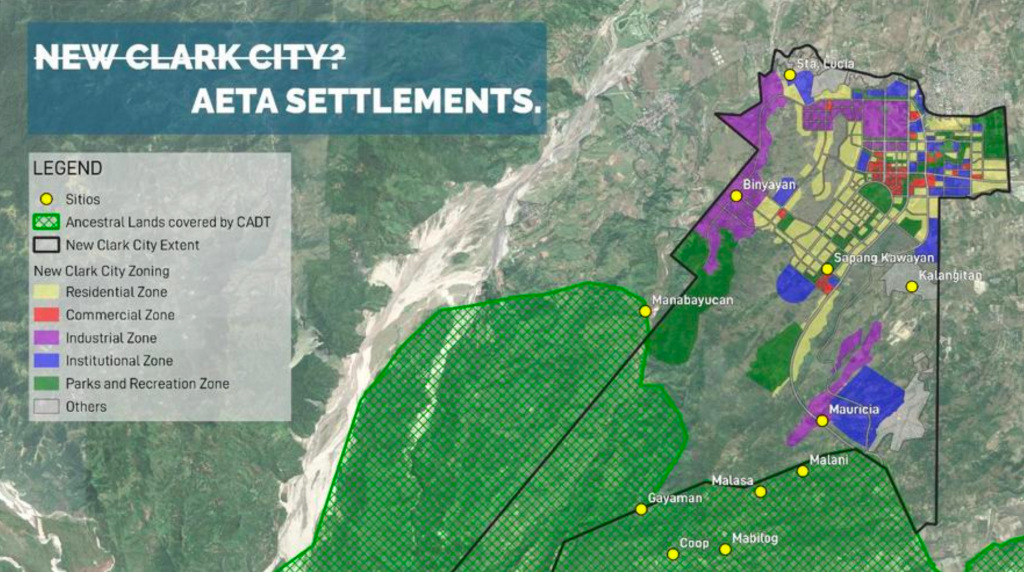
Map of New Clark City and Aeta Settlements Region by Dr. Ortega.
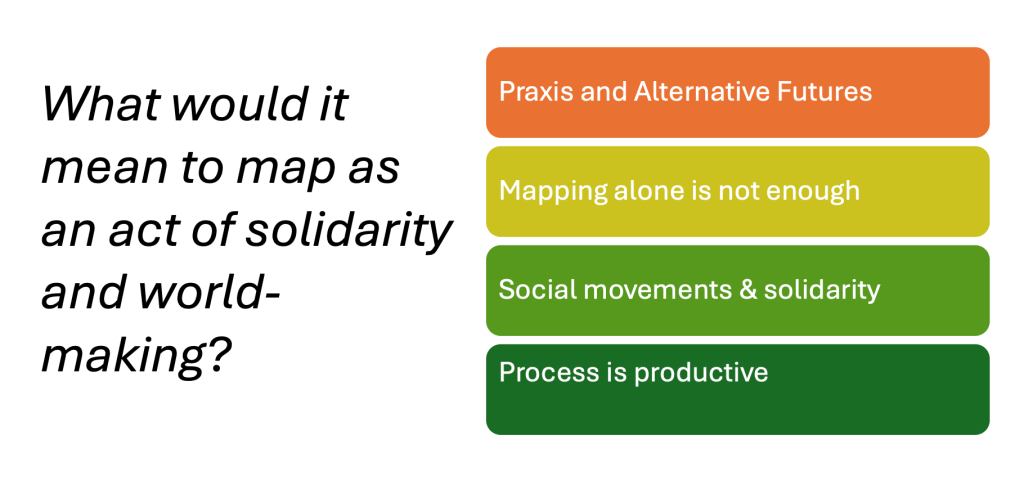
Diagram of Key Insights for Counter-mapping by Dr. Ortega.
Building upon these ideas, Dr. Ryan Gordon Tans then shared his experiences working with fishing communities impacted by large-scale coastal reclamation in Indonesia. Dr. Tans traced the emergence of Makassar’s anti-reclamation movement following official plans to expand the city, with no prior community consultation efforts. He explained that, while the state may frame reclamation as a means for climate adaptation, coastal fishing communities bear witness to the destabilization of their local economies and ecosystems. His talk highlighted how grassroots resistance movements may or may not internally cohere, but rather, support a huge breadth and plurality of civic actions that range in scale, formality, intention, and typology. These diverse civic actions foster new structures of political solidarity amongst communities, reshaping the politics of coastal development and community action in Indonesia.
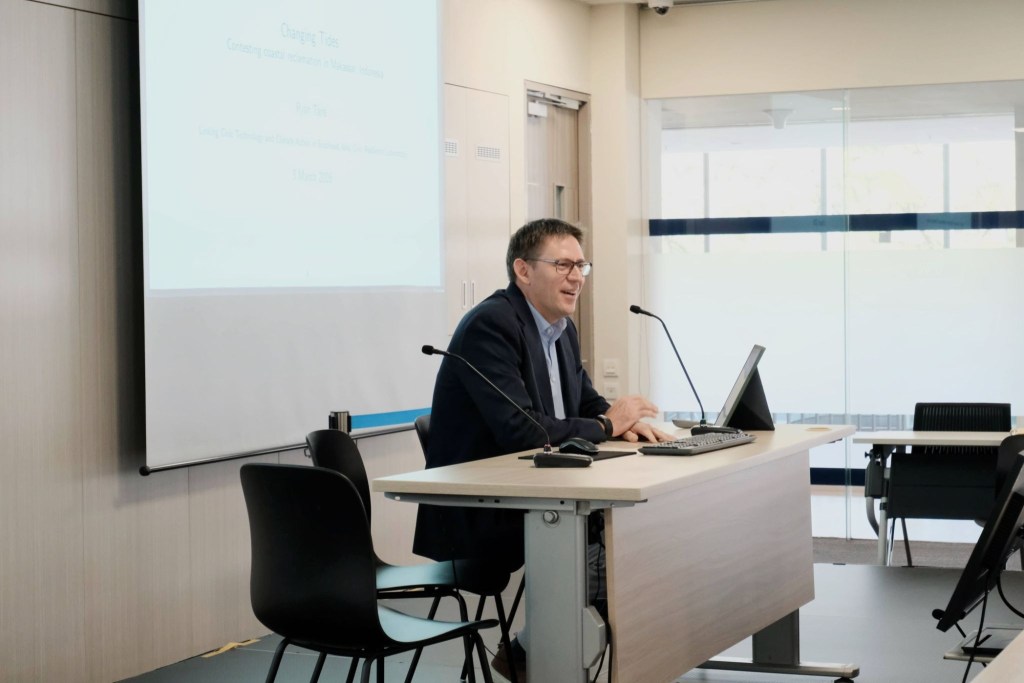
Dr. Ryan Gordon Tans. Photograph by Pari Sen Biswas.

Photograph of coastline taken from Laelae Island, 2023. Photograph by Dr. Tans.
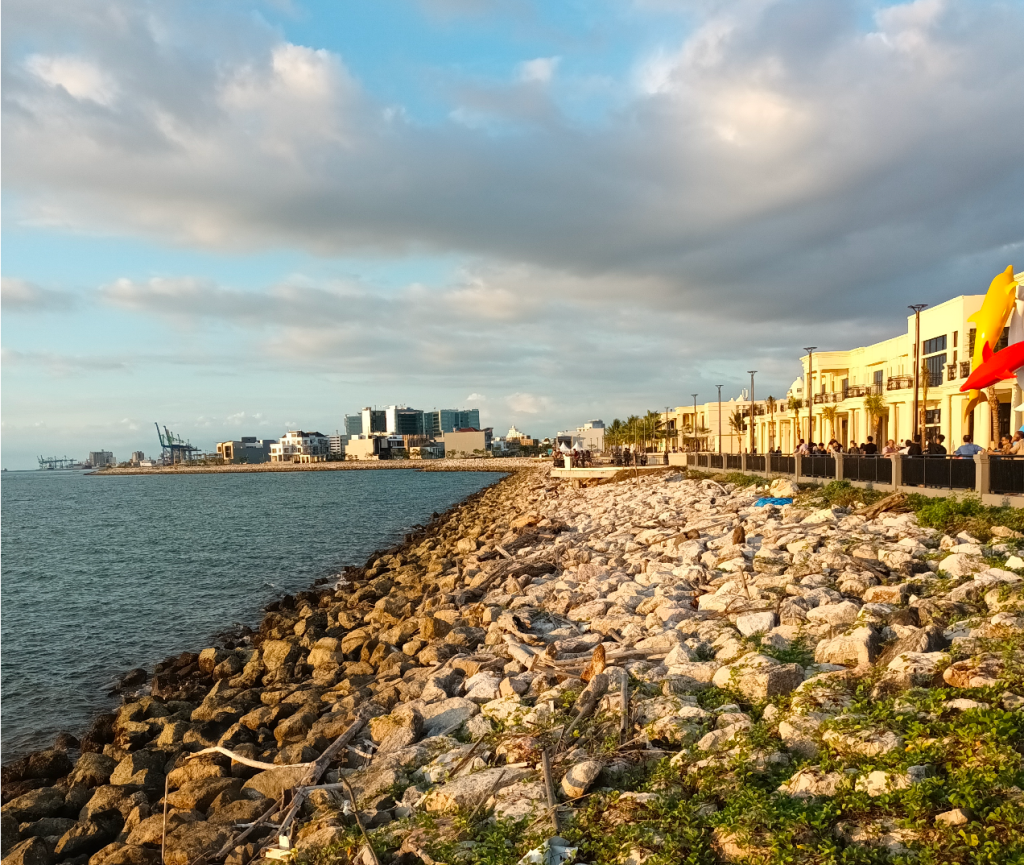
Photograph of Reclaimed Coastline in Makassar. Photograph by Dr. Tans.
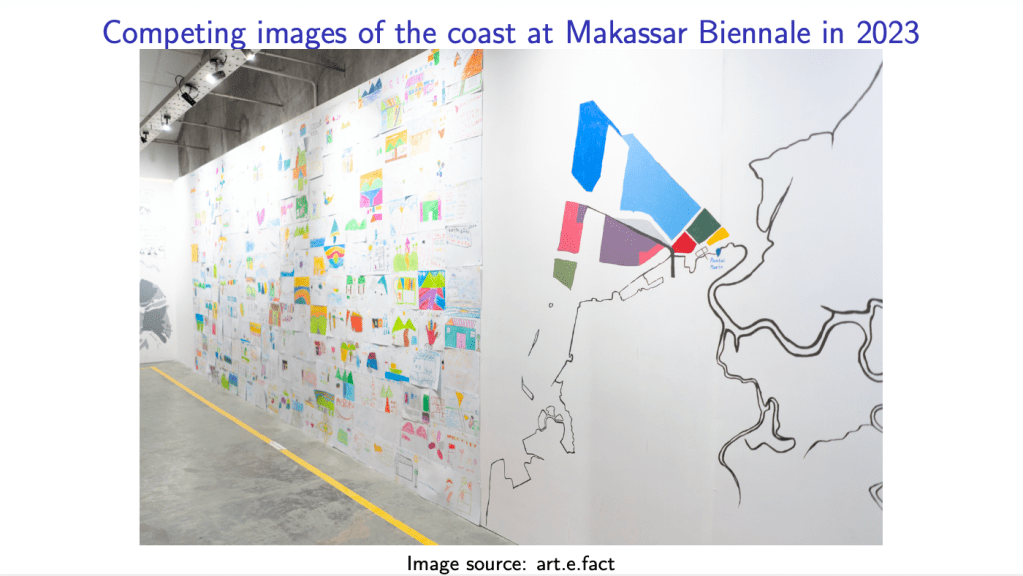
Photograph by Dr. Tans. Slide content showing competing images of the Makassar coast. Image source: art.e.fact
Focus shifted from the coast towards the lived experience of heat with Dr. Petra Tschakert’s presentation. Dr. Tschakert examined urban heat in Singapore and Southeast Asia as a politically mediated experience that is often flattened by technocratic understandings of urban heat and climate risk mitigation. Her methodology used heat mapping as a “counter-hegemonic” civic practice, combining participatory and sensor-based methods to document and visualise the thermal stress felt by different urban communities. This practice challenges hegemonic understandings of thermal harm, reframing what counts as actionable and legitimate, evidence to support state intervention. She emphasised the intersectionality of heat vulnerability and “everyday otherings” that sanction thermal violence upon urban residents, calling for academia and practice to plan sensitively for the differential lived experiences of climate change, and use subjective experience as a key analytical tool to understanding the interrelated and compounding factors of climate inequality.

Video screening of Professor Tschakert’s talk, ‘Counter-Hegemonic Heat Mapping’. Photograph by Wenhao Chen.

Diagram visualising multiple vulnerabilities that affect one’s lived experience of thermal distress by Tschakert et al (2025).
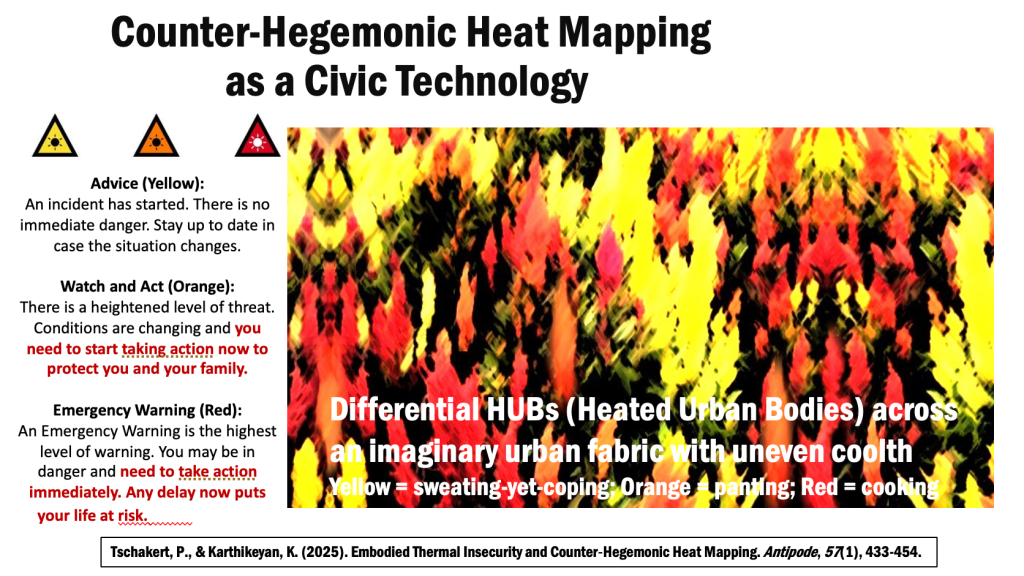
Creative visual depicting differential “Heated Urban Bodies” (HUBs) across imaginary urban fabrics by Tschakert & Karthikayan (2025).
This discussion reflects a high-level, reflexive synthesis of the panel, centering on power, knowledge production, and the evolving role of mapping, data, and civic practices. A key thread is the shift from counter-cartography as representation to a broader understanding of mapping as a social, processual, and relational practice—one that brings people together, shapes collective action, and intervenes in ongoing struggles. Rather than focusing solely on the outputs (maps, data visualisations), participants emphasised the importance of how knowledge is produced, circulated, and used, particularly in relation to community organising and activism. This includes questioning what maps respond to, how they are embedded in political contexts (e.g., land reclamation), and how alternative ways of seeing—through ritual, art, or embodied experience—emerge alongside or outside formal cartographic practices.
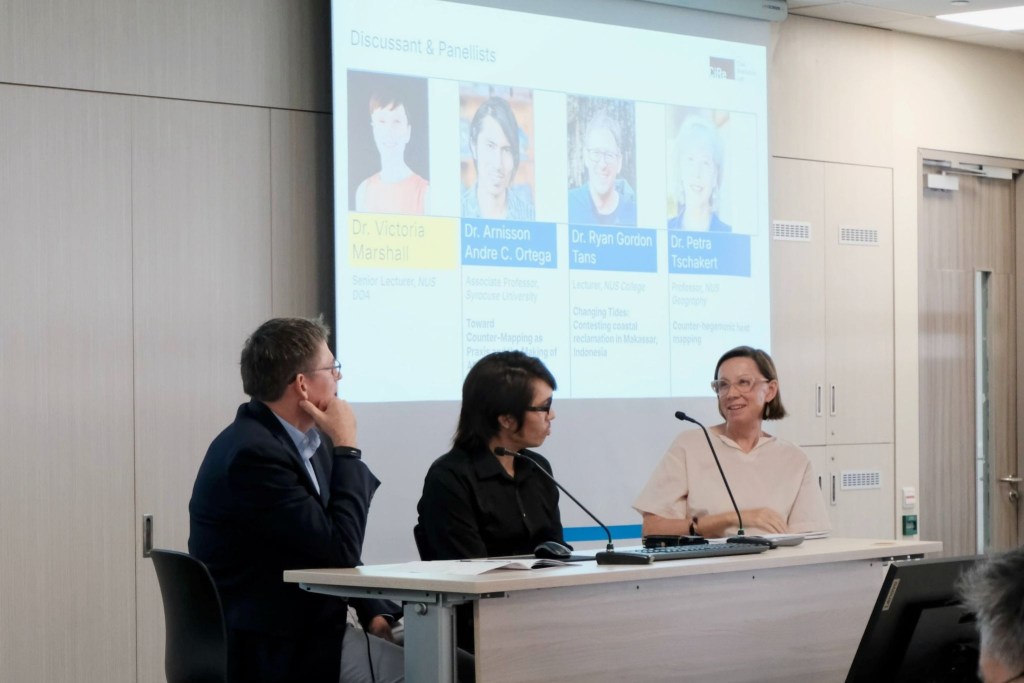

Dr. Ryan Gordon Tans, Dr. Andre Arnisson Ortega, Dr. Victoria Marshall (left to right). Photograph by Wenhao Chen
The discussion also highlighted the diversity of scales at play, from infrastructure and territory to intimate, embodied experiences such as thermal stress, underscoring the multiplicity of entry points into civic and environmental action. Empirically, this was illustrated through cases of land reclamation and displacement, where movements experience both partial victories and setbacks over long temporal horizons, complicating any clear assessment of success or failure.
Mapping practices were shown to play a critical role in building coalitions, surfacing shared stakes, and sustaining movements, even as they must remain closely tied to concrete campaigns to avoid becoming extractive or irrelevant. The discussion also raised important questions about scale, sustainability, and the role of the researcher, including tensions between academic expectations and long-term community engagement. Ultimately, the panel foregrounded civic data and mapping as ongoing, adaptive practices embedded in political struggle, where impact unfolds unevenly over time and across contexts.
Closing Remarks
The closing remarks were open ended, involving all participants. Discussion critically engaged data as a site of political contestation. Participants highlighted how civic data practices, from counter-mapping to grassroots monitoring, can be used to surface inequalities, challenge dominant narratives, and enable negotiation with institutional actors, even within constrained political environments. This included reflections on power asymmetries in data collection, the influence of funding and state agendas, and the need to design methodologies that minimise bias while ensuring inclusive representation across stakeholders.
A key point of convergence was the importance of engaging state actors early in research design, not as adversaries but as necessary partners in translating data into policy-relevant outcomes. Ultimately, the closing discussion advanced the concept of epistemic plurality as both a methodological and political horizon: rather than seeking consensus, civic technology and research should enable the coexistence of diverse knowledge systems—scientific, experiential, and cultural—within planning and climate governance. This requires new tools, platforms, and translational practices that can hold differences in productive tension, while addressing intersectional vulnerabilities and ensuring that data-driven approaches contribute to more just, inclusive, and context-sensitive urban futures.
A central analytical reflection from the panels focused on epistemic plurality and the limits of consensus, drawing on the idea that different ways of knowing, including scientific, experiential, cultural, and may not be reconcilable into a single narrative, but can coexist in productive tension. In this framing, success is not necessarily achieving agreement or stopping development altogether, but enabling multiple knowledge systems to be recognised and valued, even amid ongoing struggle.
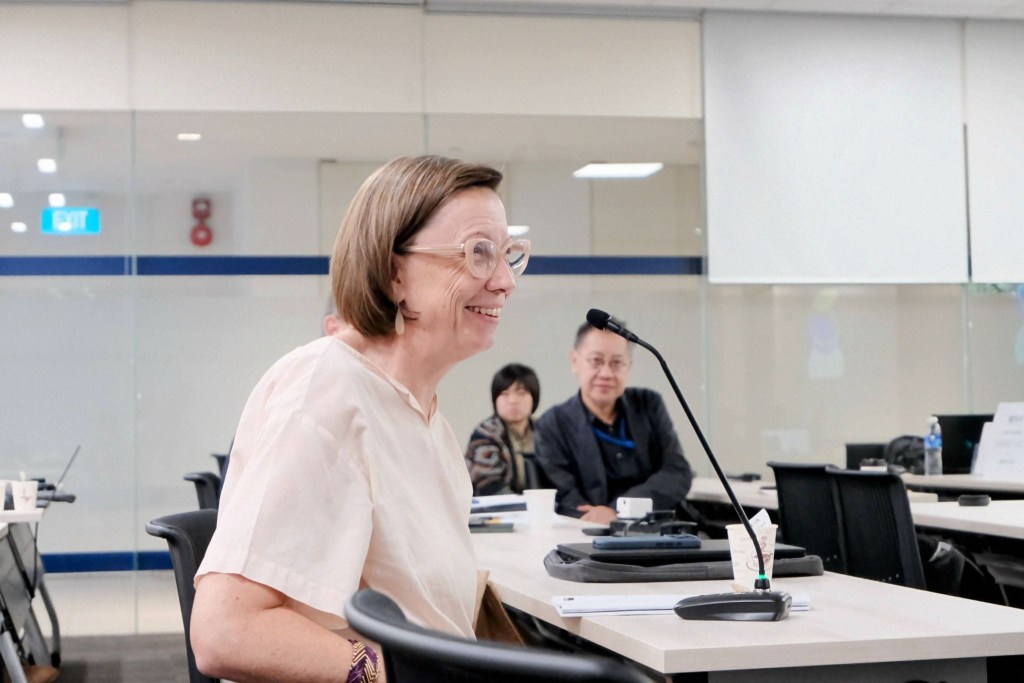
Dr. Victoria Marshall speaking during day one closing remarks. Photograph by Pari Sen Biswas.

Dr. Arnisson Ortega speaking during day one closing remarks. Photograph by Pari Sen Biswas.
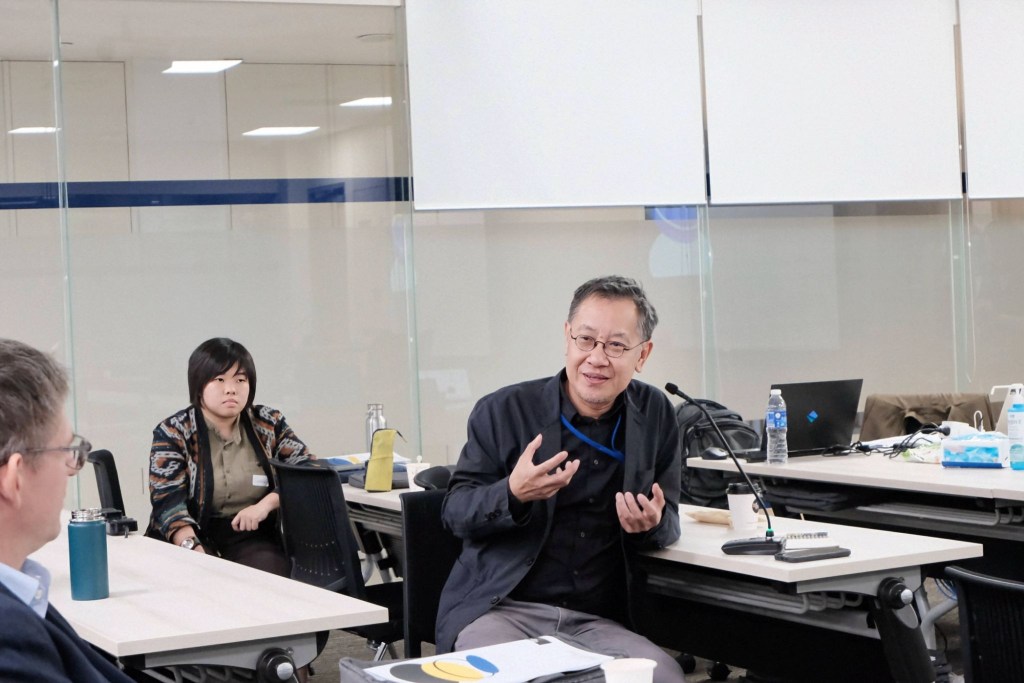
Dr. Jeffrey Hou speaking during day one closing remarks. Photograph by Pari Sen Biswas.
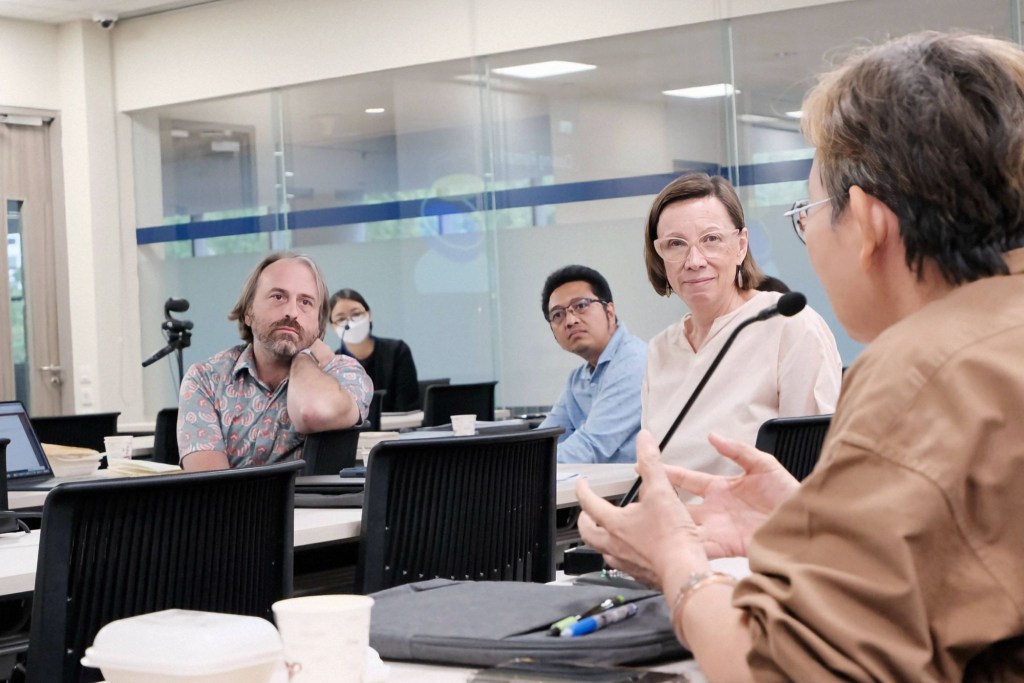
Photographs from Day One Closing Remarks: Dr. Jeffrey Hou
Day Two
Coastal Walk with Orang Laut SG
The second day began with a coastal walk, intending to ground the academic discussions the day before in a place-based community case study to learn directly from those most impacted by top-down development. Led by Orang Laut SG, a community organisation that documents and advocates for the Indigenous coastal communities of Singapore and the Malay Archipelago, workshop participants were introduced to the community’s history and contemporary livelihoods. The walk was led by Firdaus Sani, community descendant and founder of Orang Laut SG, along with Orang Laut SG team members Muhammad Haatim Jaafar, Elizabeth Tan, and Aqilah Mazromi.

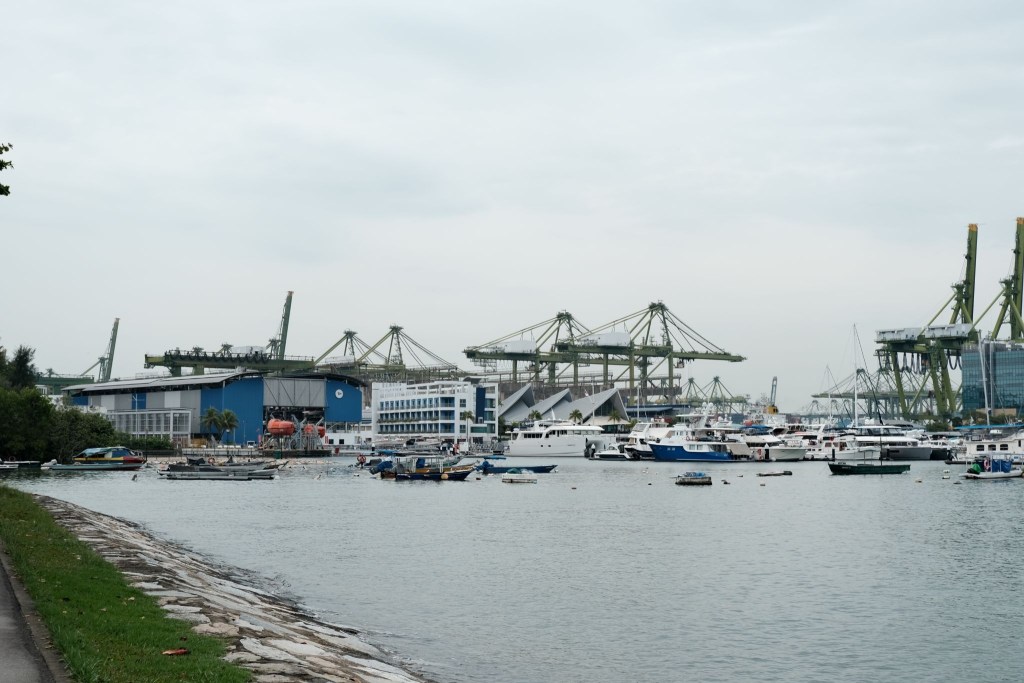

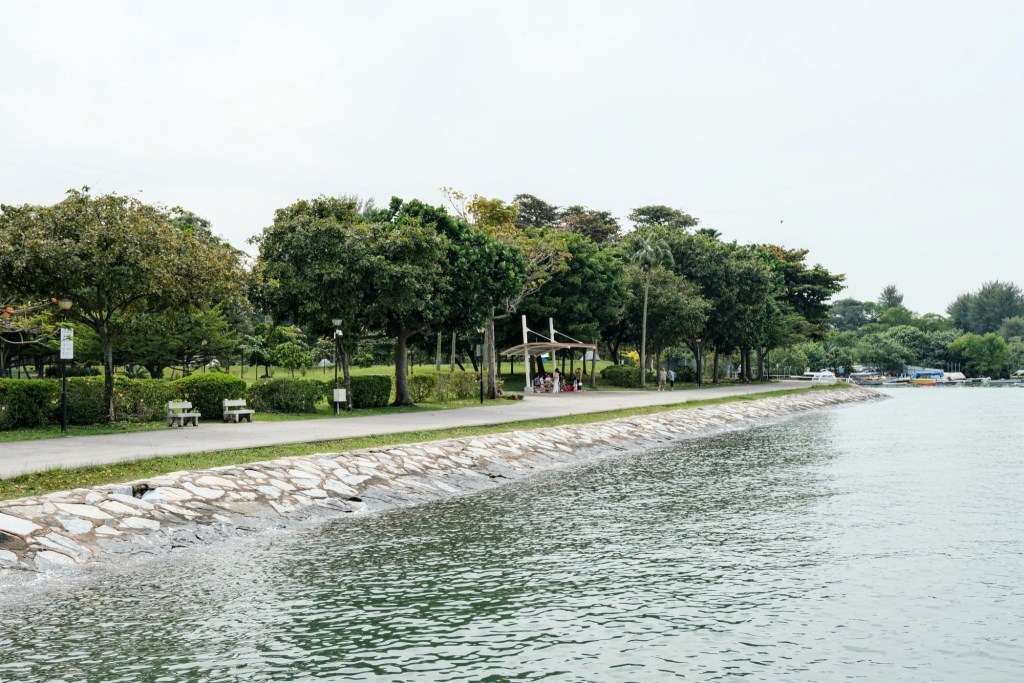
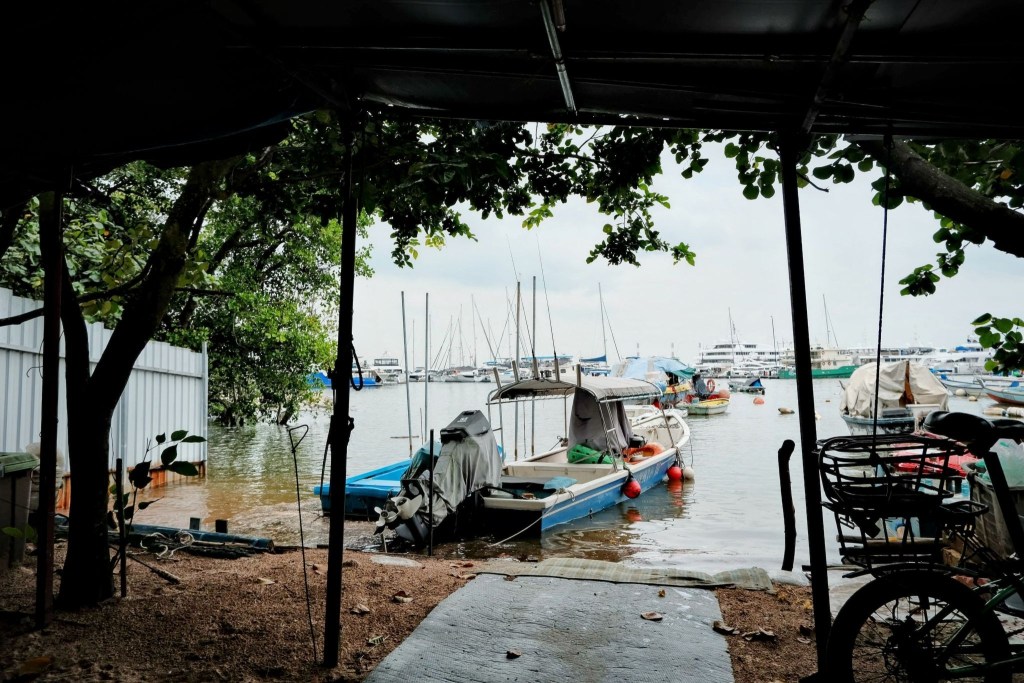
Coastal Walk with Orang Laut SG. Photographs by Pari Sen Biswas.
The walk included a visit to the last remaining community docking space in West Coast Park, Singapore, where sampans are still moored by the community, with detailed explanation about the contested status of the site, its management challenges, and ongoing efforts to advocate for Indigenous inclusion in urban development in Singapore. Throughout the two hour walk, participants encountered not only cultural history but also the Orang Laut’s living practices of environmental restoration, fishing and harvesting, medicine, navigation, and more.


Coastal Walk with Orang Laut SG. Photographs by Pari Sen Biswas.
Participants were also able to hear directly from a community member who still fishes off the coast of the community dock. He shared his memories of the displacement of his community from the coastal islands into public housing in Singapore, and the current struggles he faces in managing multiple jobs due to the reduced stability of local fishing practices. The conversation also surfaced Orang Laut SG’s ongoing efforts to advocate for formal recognition of Indigeneity status in Singapore, as a means to more effectively represent and secure the rights and needs of their community. This was closely tied to the precarity of their current spatial conditions: the community dock operates on a temporary lease, limiting the possibility of sustained programming, intergenerational knowledge transmission, and long-term community-building.
Discussions further revealed tensions in the relationship between Indigenous communities and the broader public, including anecdotes of citizens describing the dock as “unsightly,” reflecting deeper perceptions of what constitutes order, value, and belonging in the city. These encounters prompted reflection on how Singaporeans relate to the urban environment, often through frameworks of cleanliness and efficiency, marginalising alternative ways of knowing the city. In this sense, the visit underscored the need to expand the modern view of urban history to include Indigenous presences, mobilities, and narratives that have long shaped the region but remain underrepresented.
Participants also visited City Sprouts, an urban farming initiative that offers community garden spaces and programming, as well as Tanah dan Air, a heritage garden that serves as a living archive of Orang Laut and Orang Pulau community traditions and knowledge.
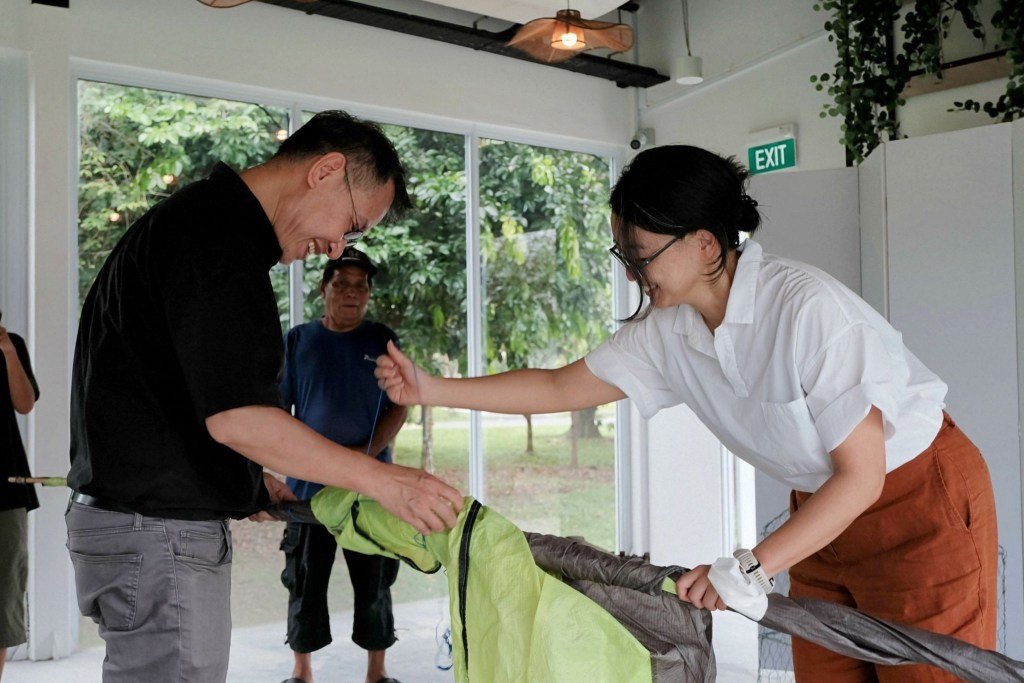
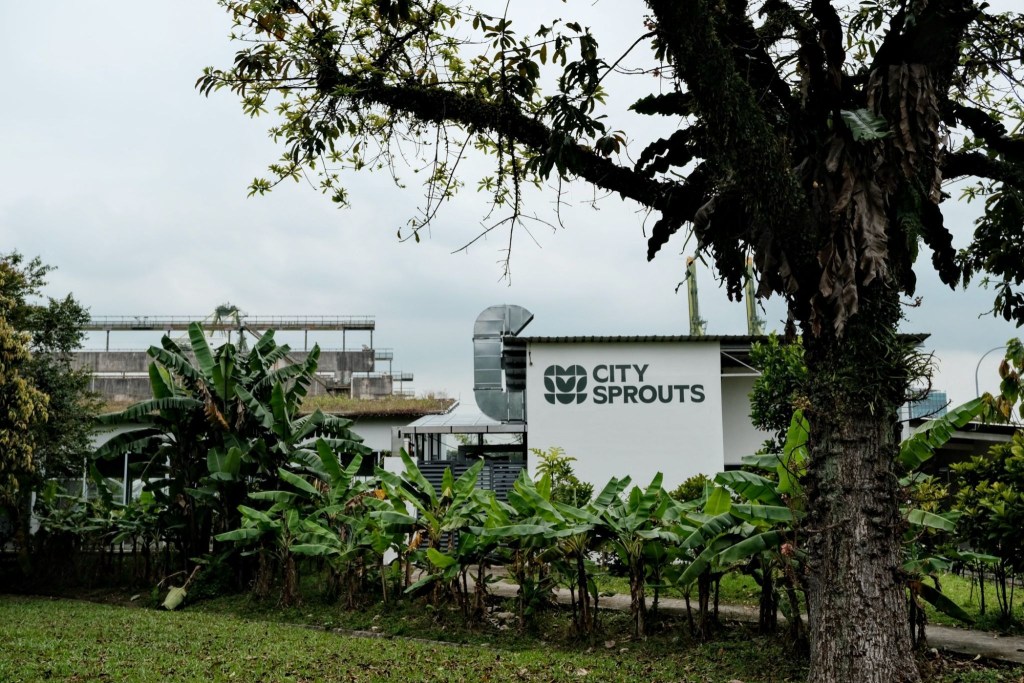
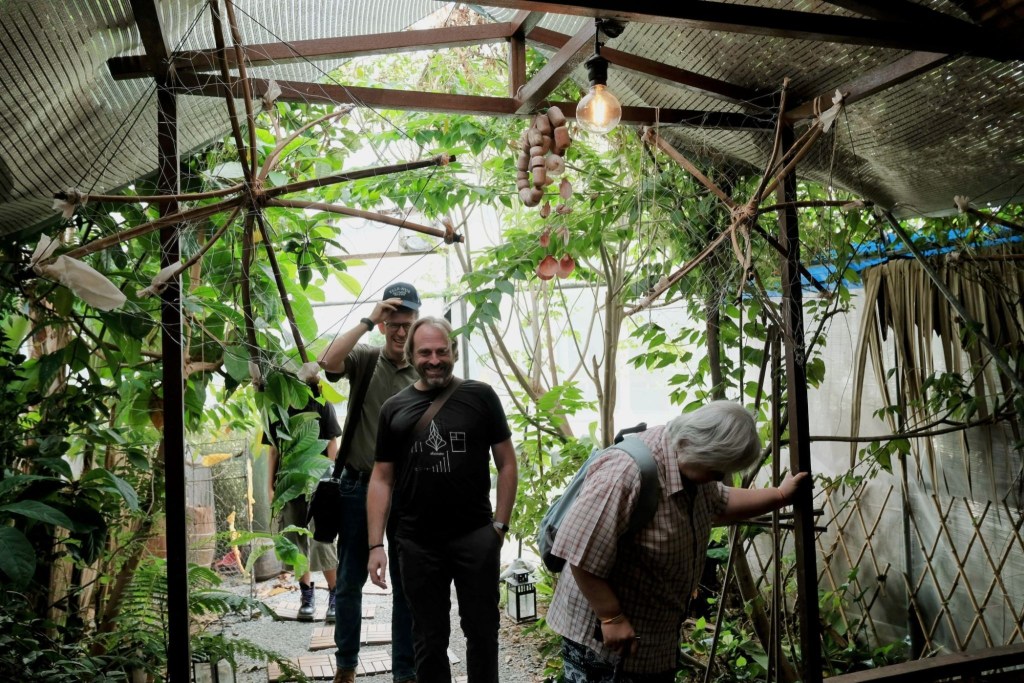
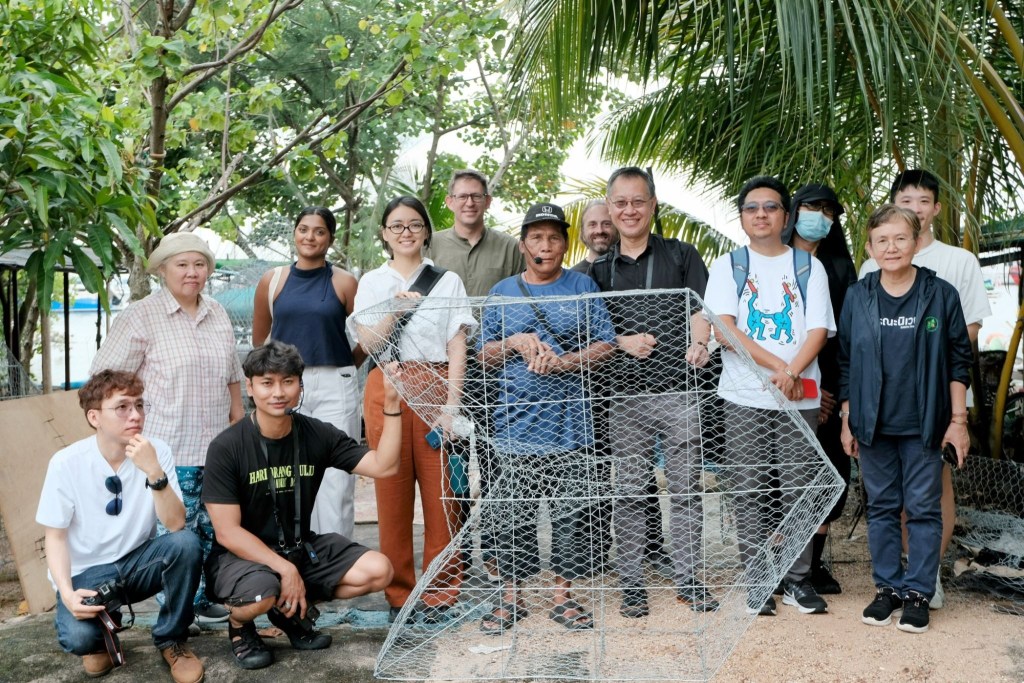
Coastal Walk with Orang Laut SG. Photographs by Pari Sen Biswas.
Collaborative Sessions
After the coastal walk, participants returned to NUS campus to close the workshop with a collaborative working session. This session brought participants together to collectively map and discuss the landscape of civic technology and climate action in Southeast Asia, and begin forming partnerships amongst themselves.
Through a facilitated collective mapping exercises, participants were invited to identify key civic, academic, policy, and community actors in the region, surface shared priorities and urgent gaps, and create a reference point for future collaboration. The programme emphasised that this was meant to strengthen regional networks and support coalition-building across sectors and geographies.
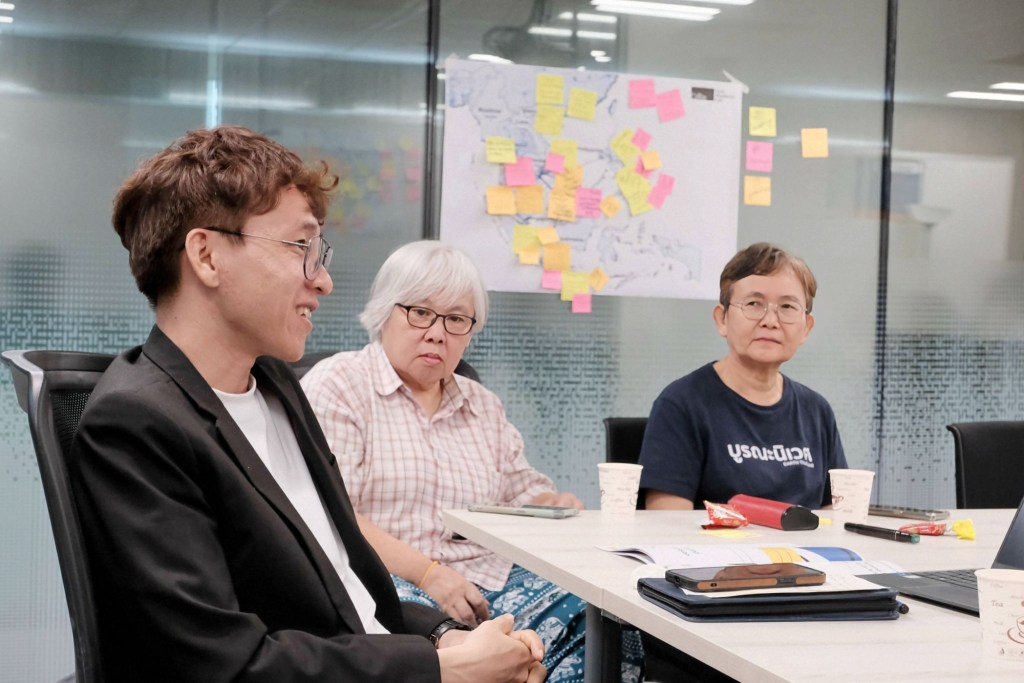
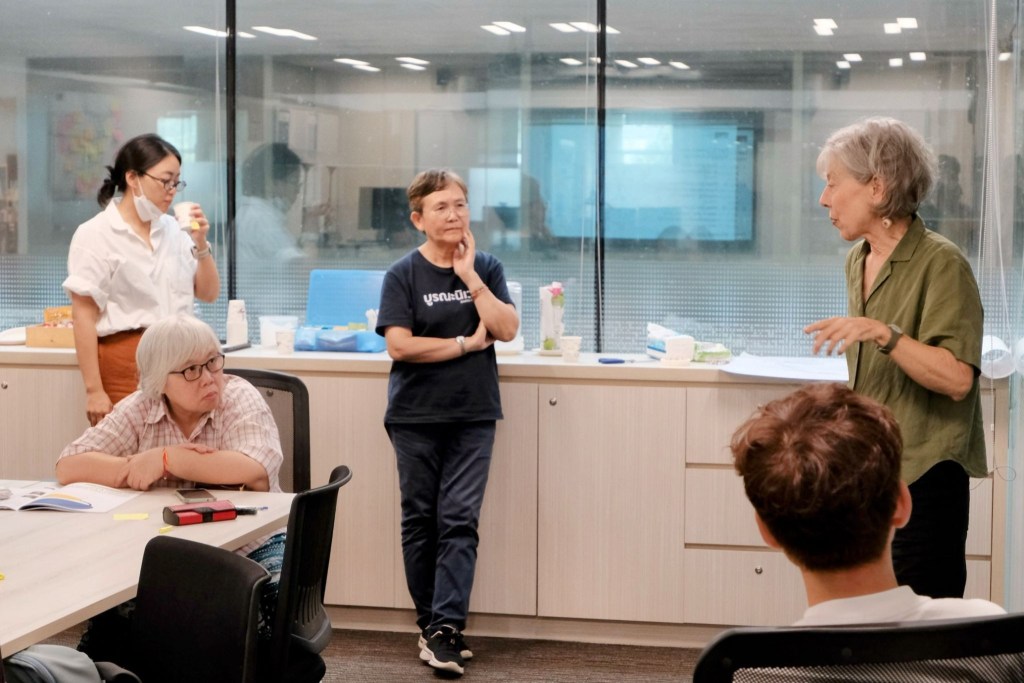


Collaborative Mapping Session. Photographs by Wenhao Chen.
The session emphasised cross-sector dialogue and knowledge exchange, moving beyond individual projects toward a more networked understanding of regional efforts. It supported early-stage project development by surfacing preliminary ideas for joint initiatives. First, key themes, shared priorities, and emerging methodologies were jointly mapped and presented by the participants. These ideas and the following discussions were crystallized into a conceptual illustration to provide a more structured overview of challenges, opportunities, and directions identified. This was a collaborative process, which all participants were involved in shaping. The maps and conceptual drawing served as a basis for subsequent discussions on collaborating in research and aligning complementary expertise.
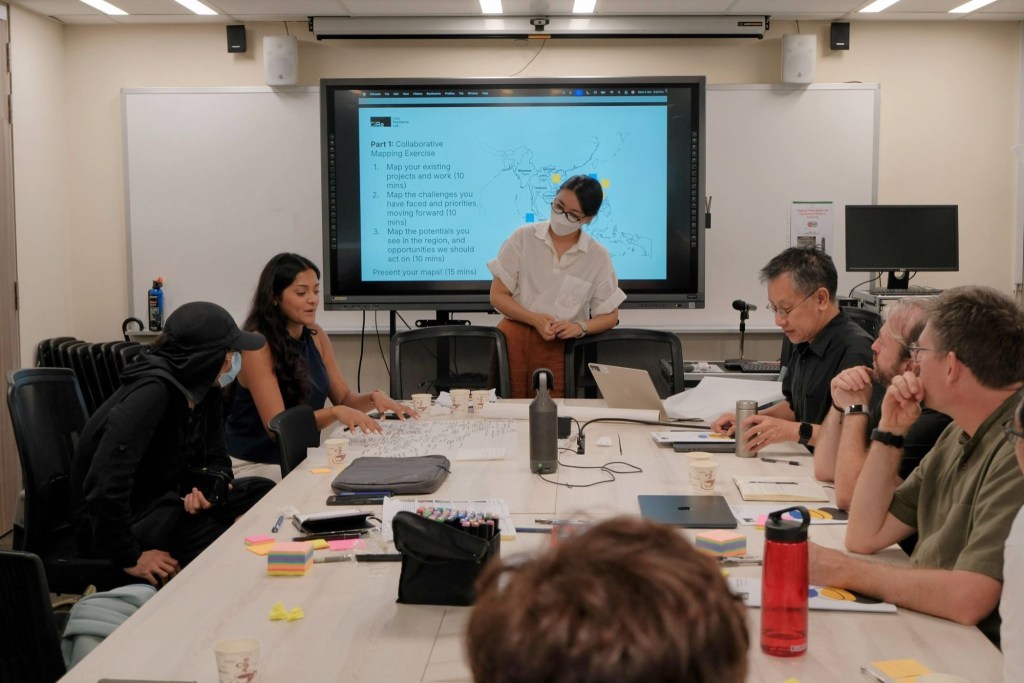
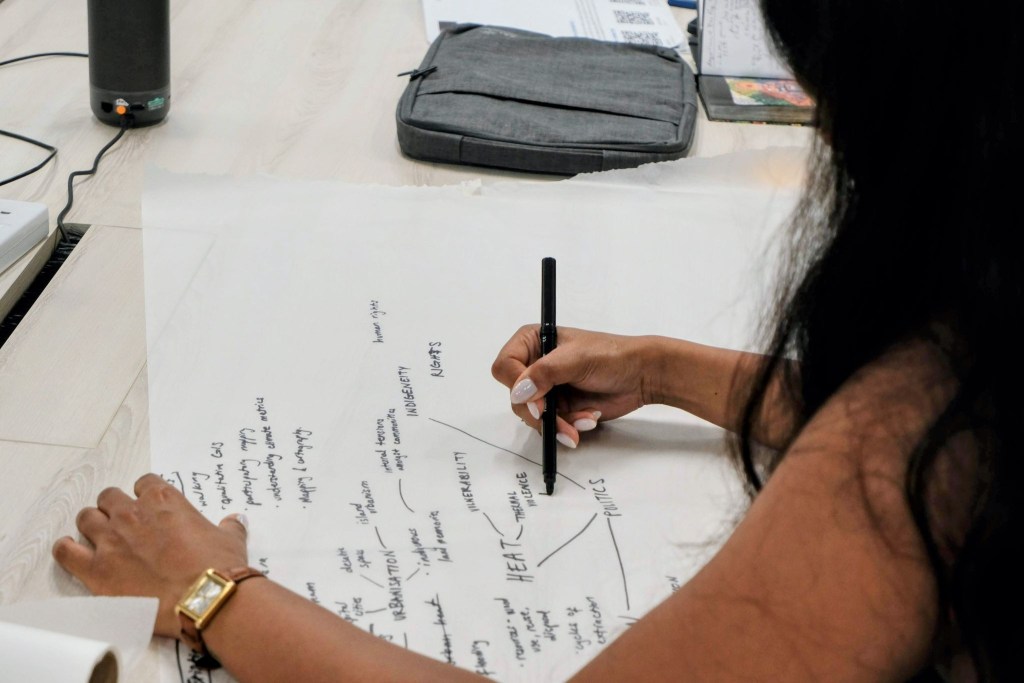
Collaborative Mapping Session. Photographs by Wenhao Chen.
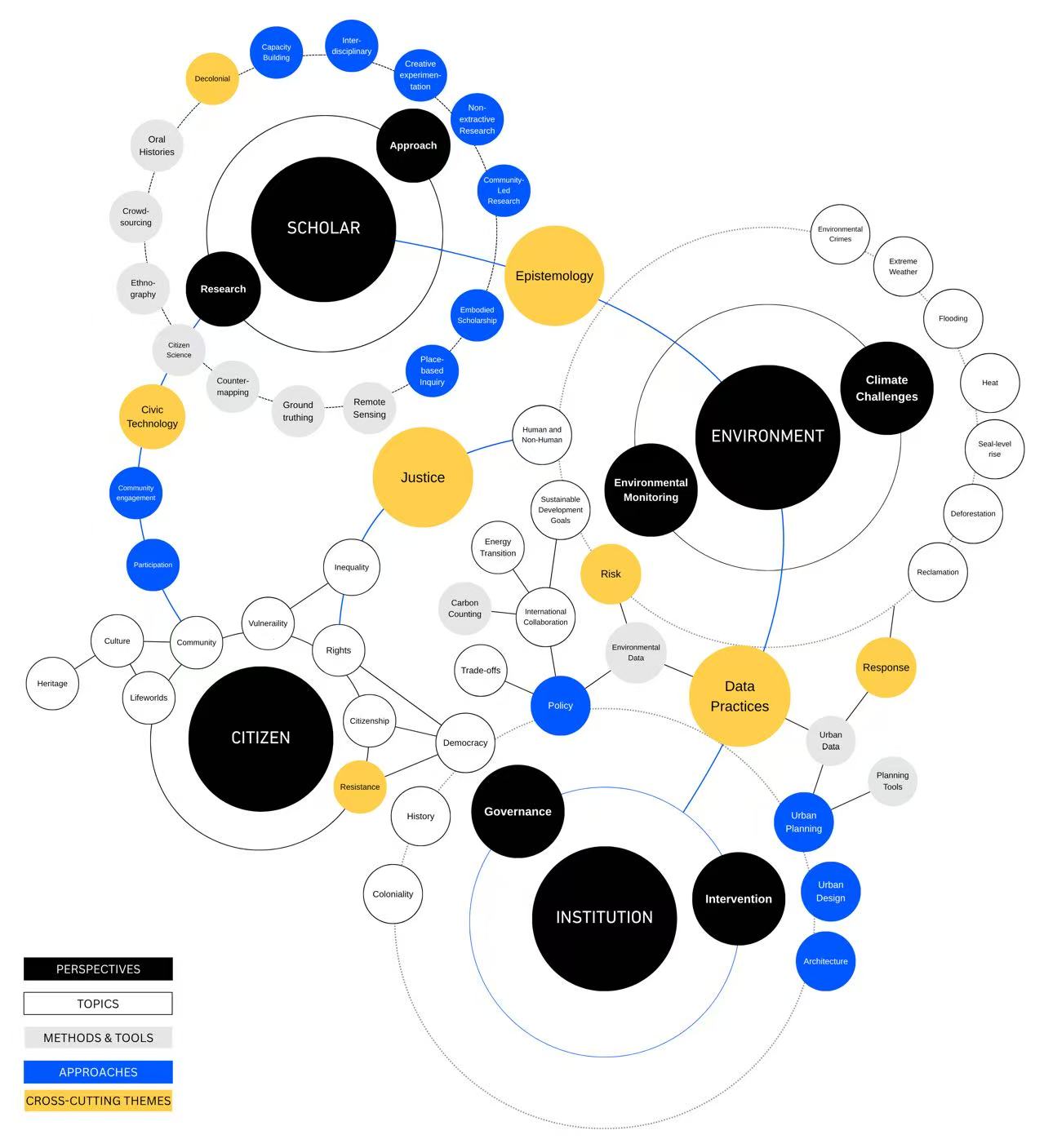
Discussion Summary Diagram. Created by Pari Sen Biswas.
To close the workshop, discussion turned inward toward the role that CiRe itself could play moving forward. This discussion asked what collaborators across the region may need from the lab in terms of research support, resources, convening capacity, and thematic focus. Participants were invited to reflect on Singapore’s position as CiRe’s institutional base and consider how the lab could support Southeast Asian voices in civic and urban discourse while connecting actors across countries, disciplines, and communities. Several interesting ideas were shared, including potential annual convenings, publishing of special issues, and the formalisation of research projects through grants.
Conclusion
Linking Civic Technology and Climate Action in Southeast Asia framed civic technology as a broad and plural field of political, social, and epistemic practice, critical for community-centered climate response in Southeast Asia. On day one, the first panel engaged questions of participation, community interaction, and planning practice. The second pivoted towards tools and techniques, interrogating questions of mapping, data storytelling, and knowledge production. The third panel delved into the politics of these initiatives, highlighting colonial histories and contemporary intersectional vulnerabilities. What emerged from the three discussions was a strong conceptual proposition: Southeast Asia has a plurality of civic practices to address shared environmental challenges. These civic practices require more than only the deployment of new tools — rather, it requires novel processes and infrastructures of collaboration, spaces for comparative reflection and learning, and connections across civic, academic, and community actors working towards climate justice.
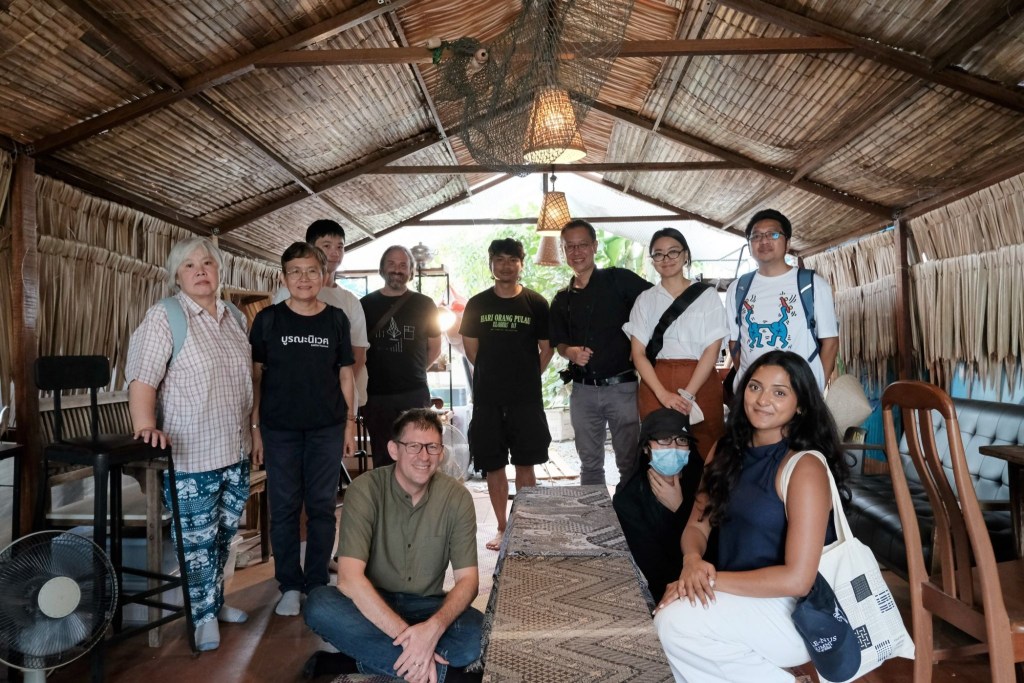
Group photo at Tanah dan Air. Photograph by Wenhao Chen.

Day two closing remarks. Photograph by Wenhao Chen.
Acknowledgements
This workshop was supported by the Asia Research Institute (ARI) and National University of Singapore Department of Architecture (NUS DOA). Their continuous support enables CiRe to convene interdisciplinary and regional exchanges on civic technology, community engagement, and climate action in Southeast Asia.
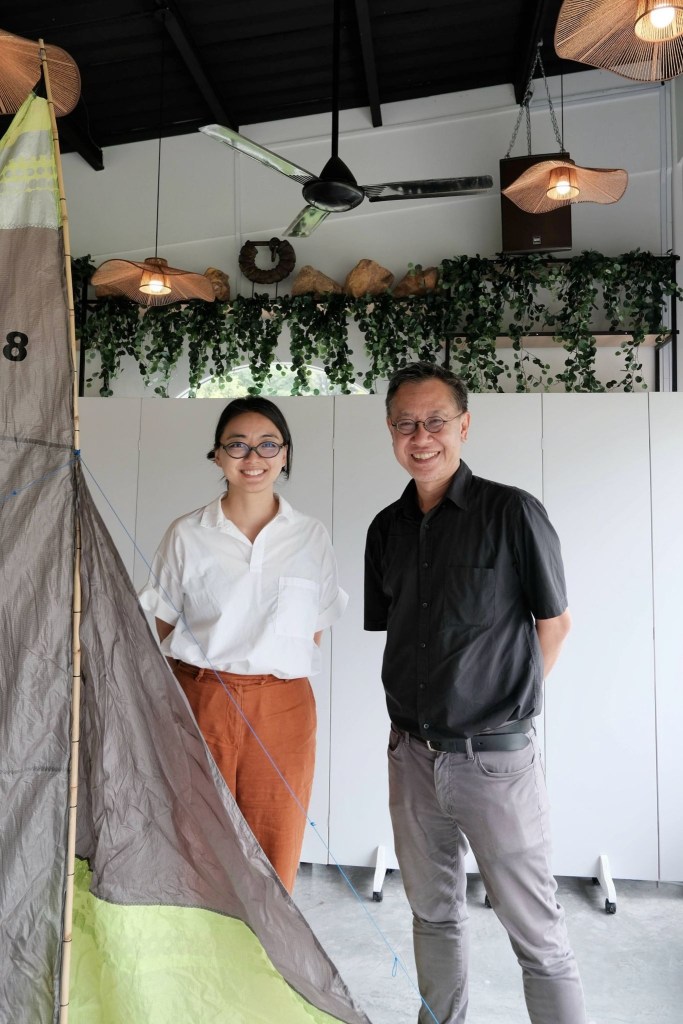
Co-Directors of CiRe, Dr. Chaewon Ahn and Dr. Jeffrey Hou. Photograph by Pari Sen Biswas.